
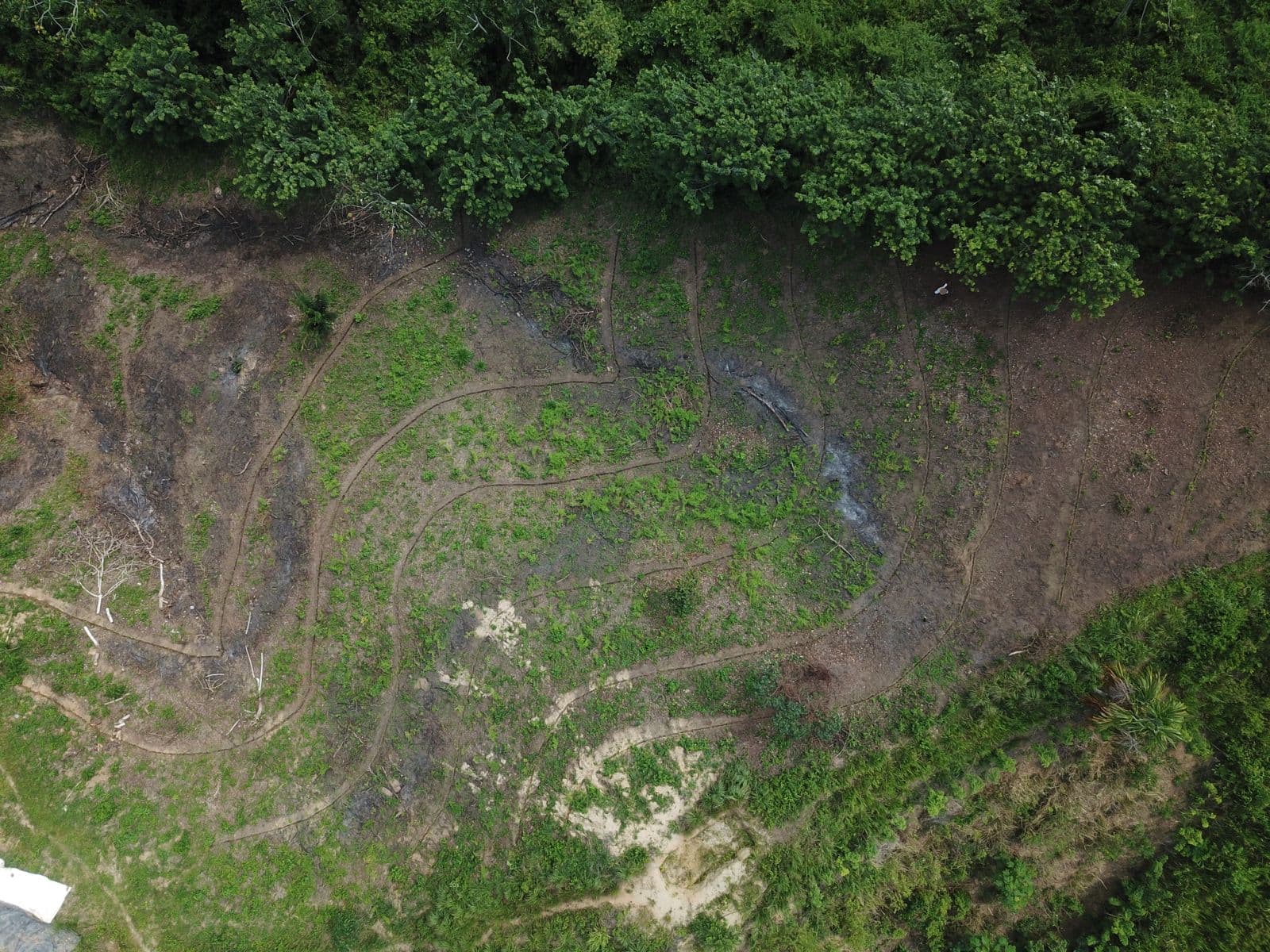
Vetiver is a living hedge that helps hold ground in place.
Planted in dense rows, vetiver slows runoff, traps sediment, and helps stabilize slopes, fields, roads, and degraded land.
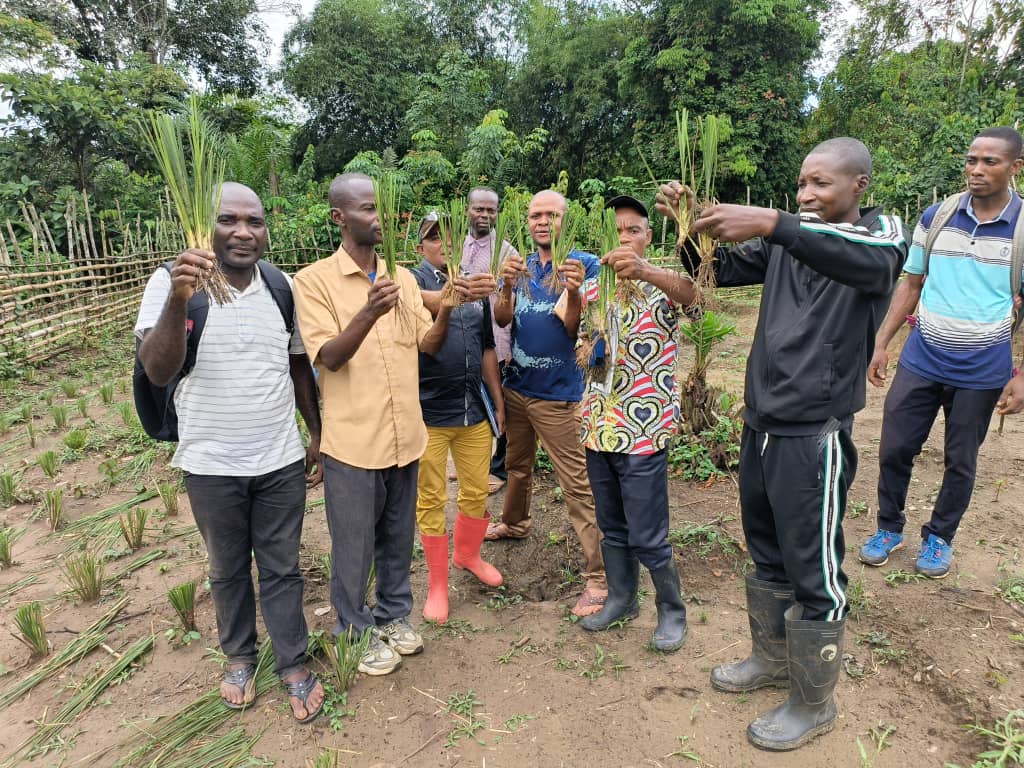
A plant, or a method?
The Vetiver System is not just a plant. It is a field method that uses a sterile vetiver cultivar, planted in narrow dense hedges, to slow water, trap sediment, and strengthen soil over time.
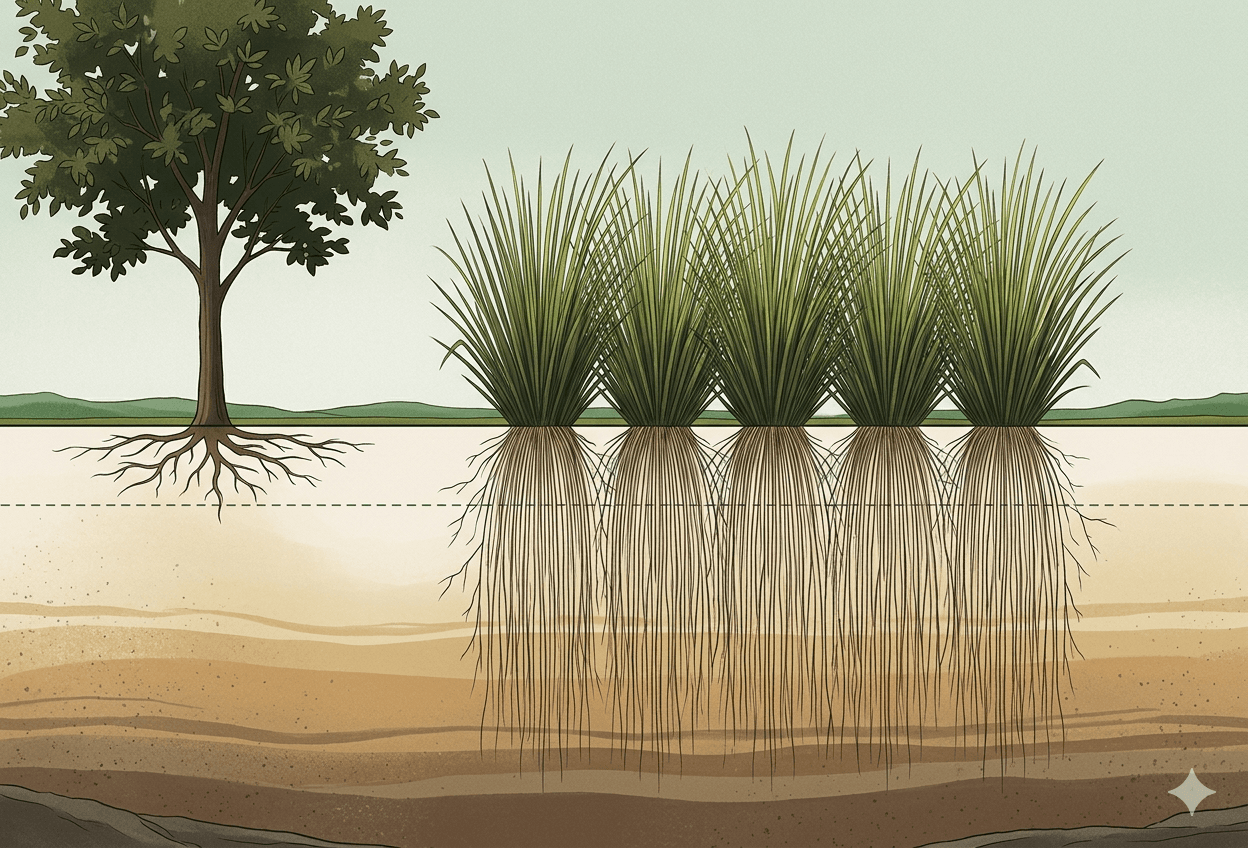
A grass with roots three storeys deep.
Most pasture grasses send roots about 20 cm into the soil. Tree roots typically stop around 1 m. Vetiver, planted in dense hedges, sends roots straight down — 3 to 5 metres — anchoring slopes that otherwise slip in heavy rain.
Key features that make the system work
Not every grass holds a hillside. These are the specific features that let the Vetiver System do what it does — and the reasons it fails when one of them is missing.
Specific applications where the Vetiver System has been documented
Specific applications, not slogans. Each of these is referenced in technical manuals or published case studies — not as a promise, but as a documented use.
Slope stabilization
Strengthening hillsides and protecting roads, terraces, and infrastructure.
Sediment and agrochemical filtering
Trapping silt and some runoff-transported residues.
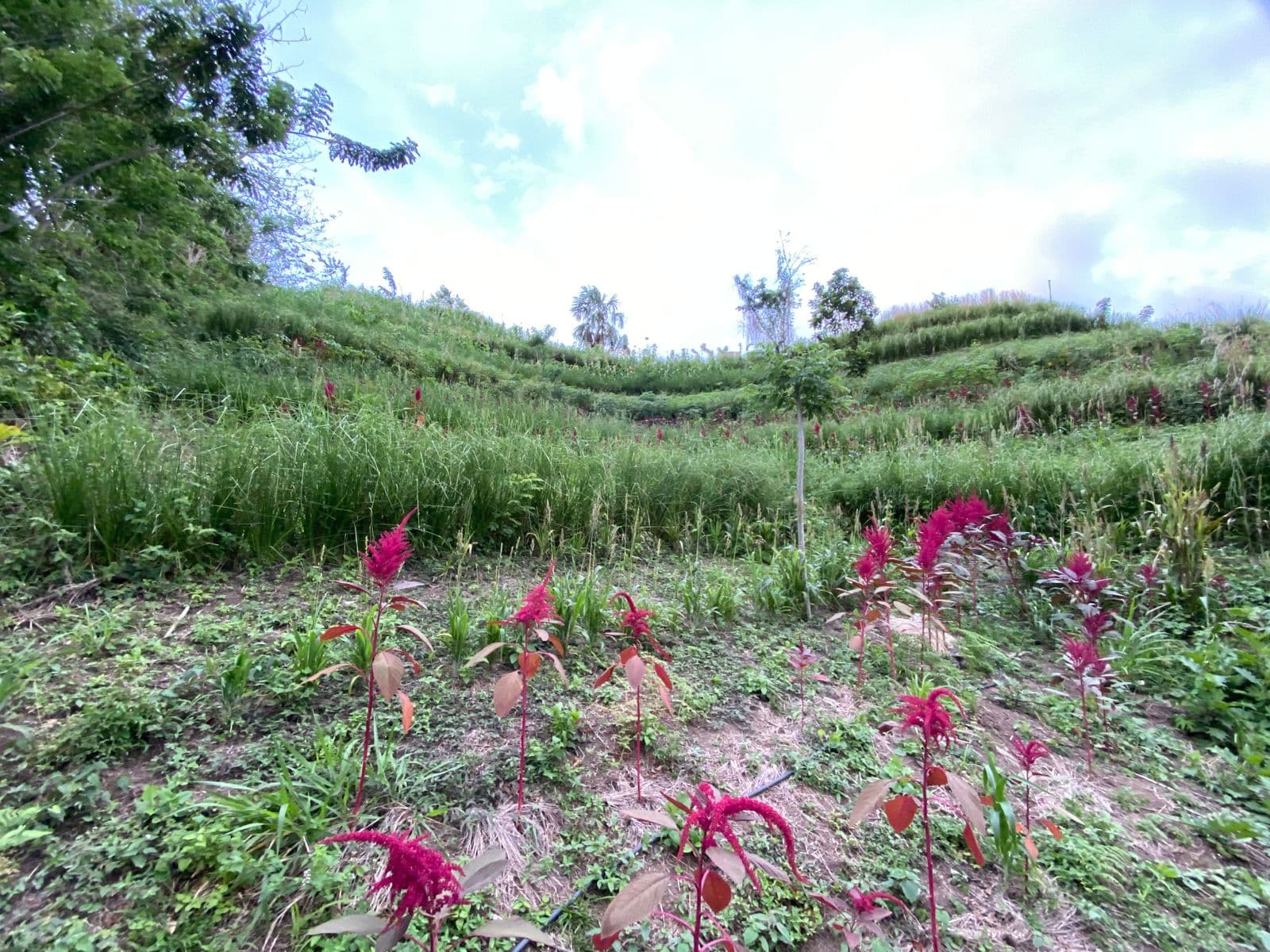
The system is read through sites, not slogans.
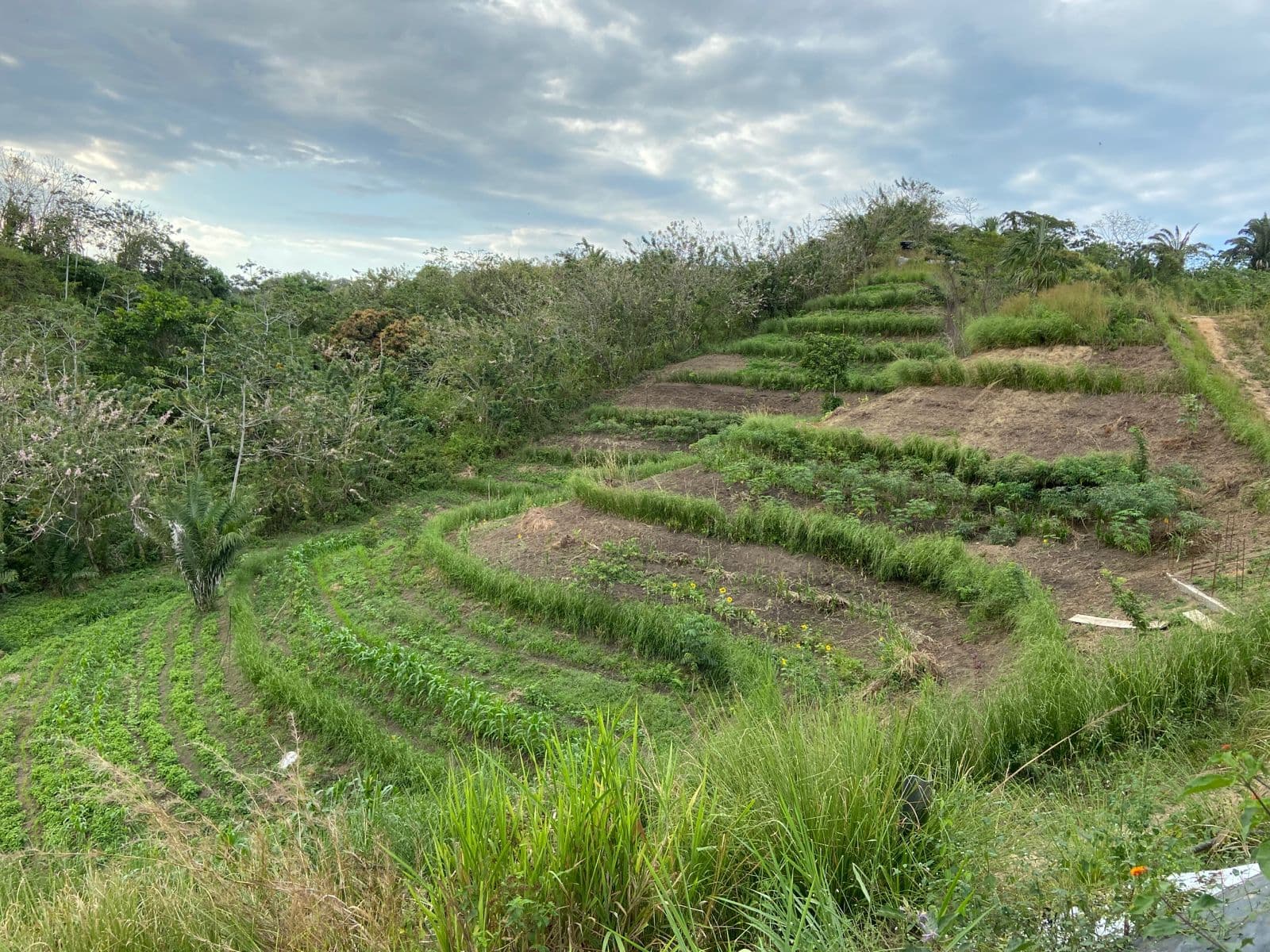
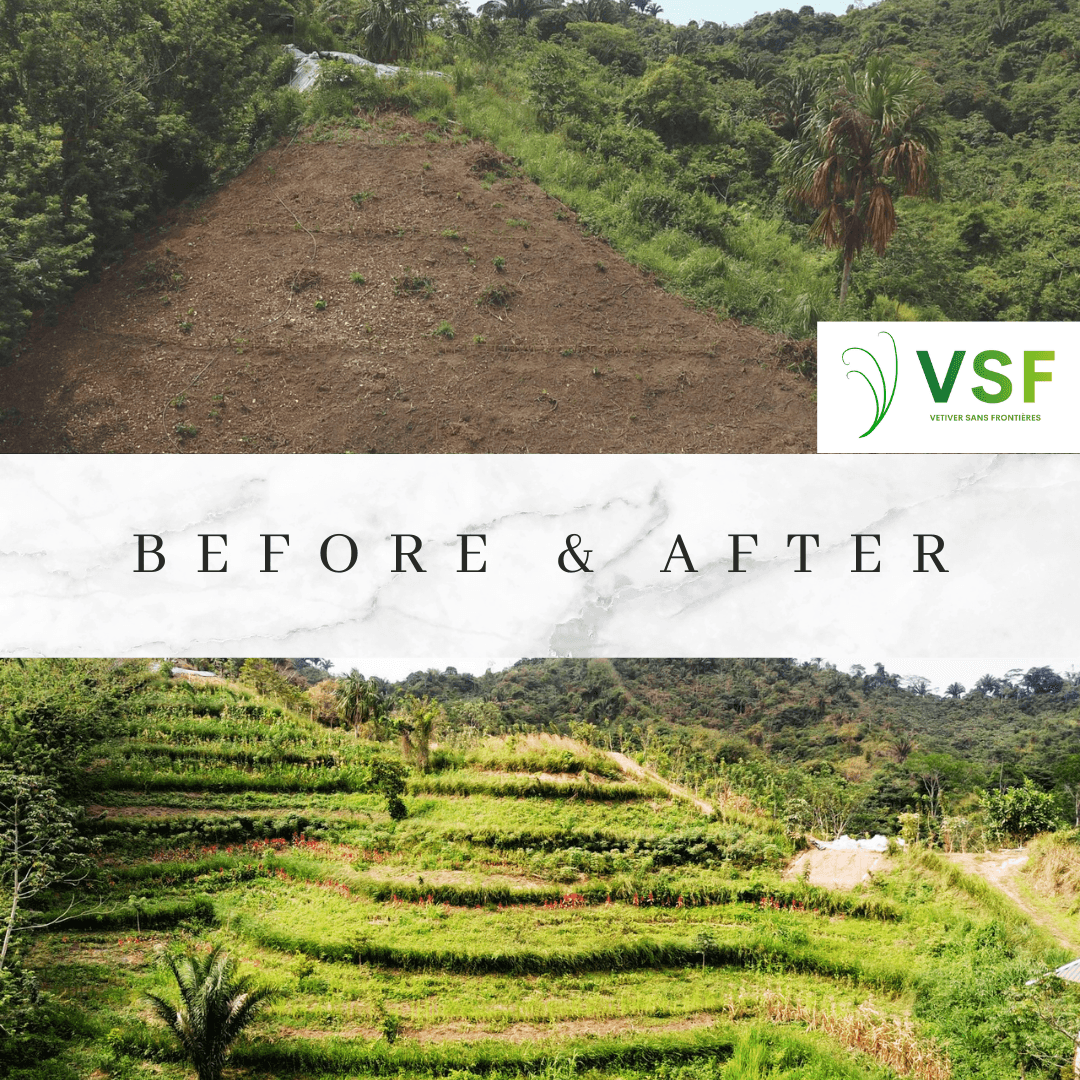
Photos from VSF field folders show where vetiver is planted, what it is asked to protect, and how recovery is followed over time.
A five-step field method
The Vetiver System is not automatic. It requires careful planning and adaptive management.
Clarity on where the system does not work.
Choose how you want to engage.
Whether you are learning, piloting, supporting, or implementing at scale, there is a starting point.
Sources and resources
All claims on this page are traced to published research, technical manuals, or documented case studies.