When Fertilizer Prices Rise, Fields Must Lose Less
When fertilizer costs rise, every kilogram of soil and nutrient lost to runoff becomes more expensive. Field resilience helps farmers keep more of what they invest.
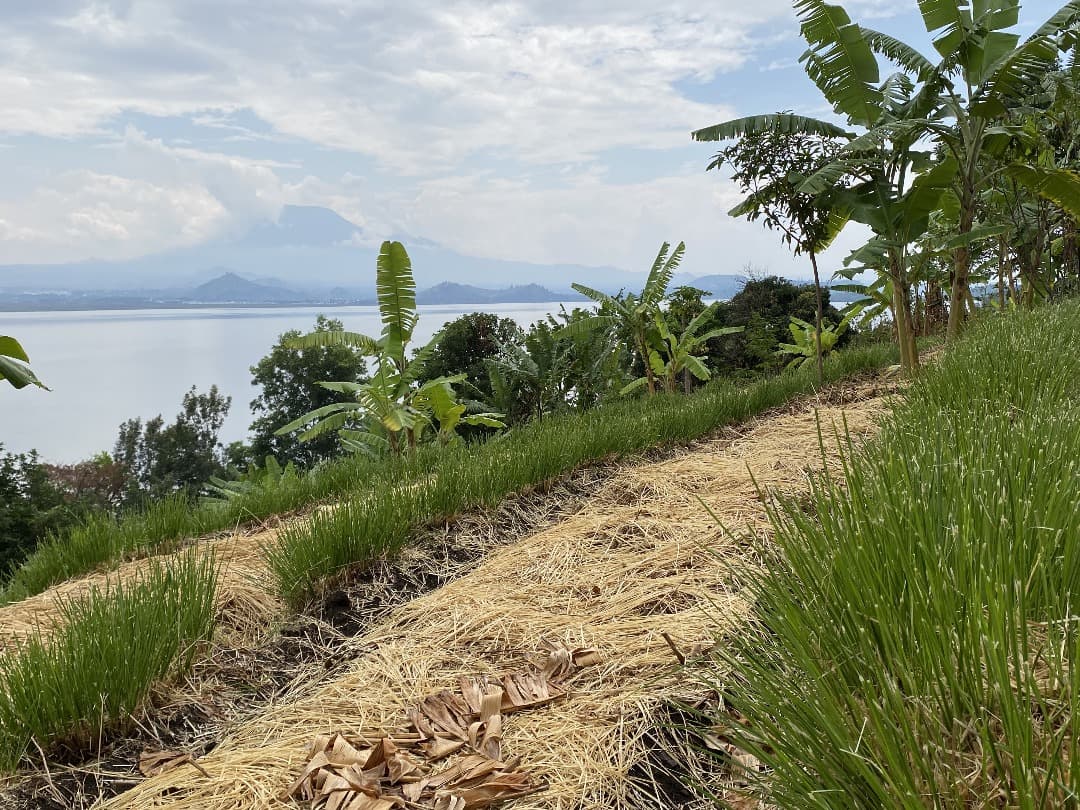
VSF helps communities and local partners use vetiver to protect soil, water, and fragile land — across Africa, Latin America, and beyond.
Learn what vetiver is ↓What is vetiver?
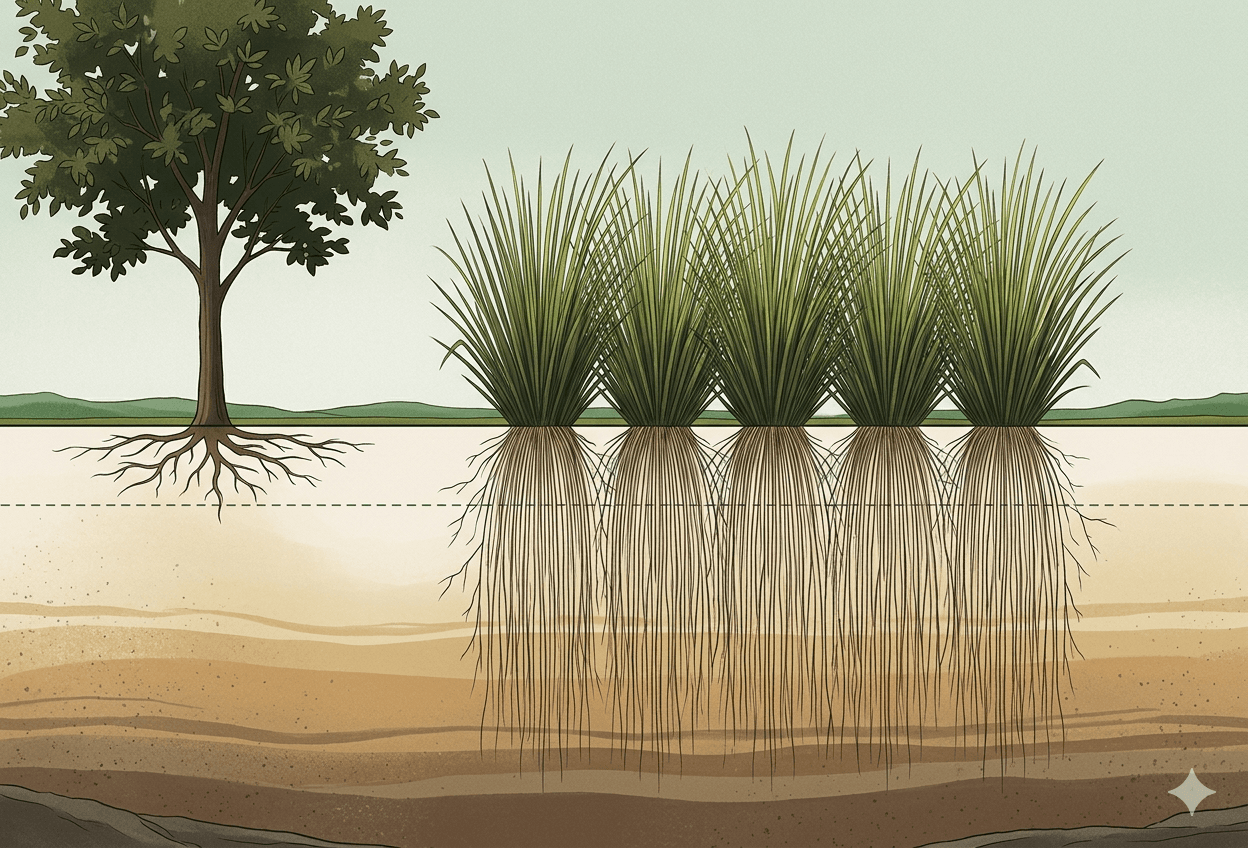
Vetiver is a practical grass used around the world to slow runoff, hold soil in place, and make fragile ground easier to manage. Its roots reach 3–5 metres deep — that depth is what holds a hillside through heavy rain.
Learn about vetiver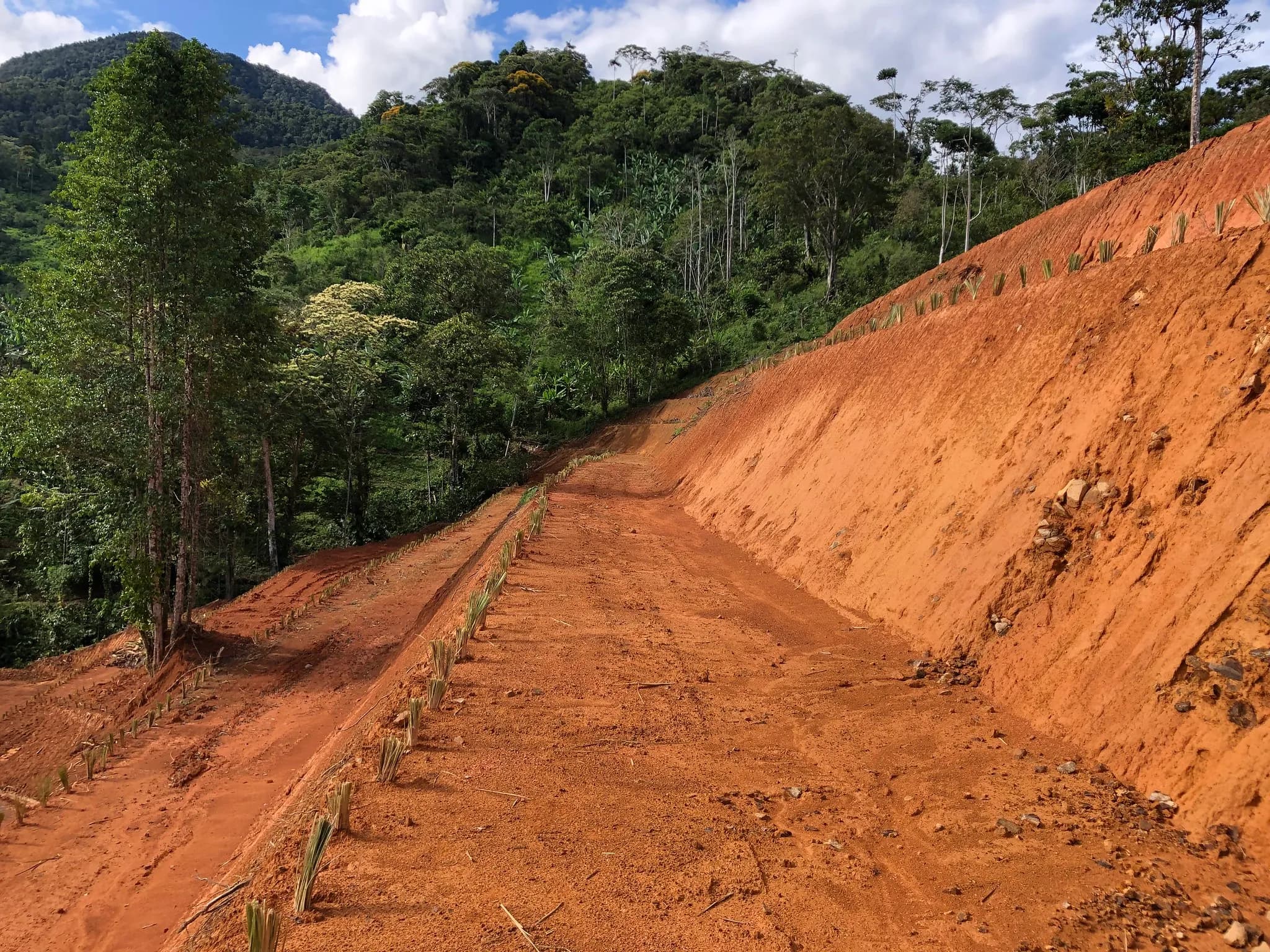
01
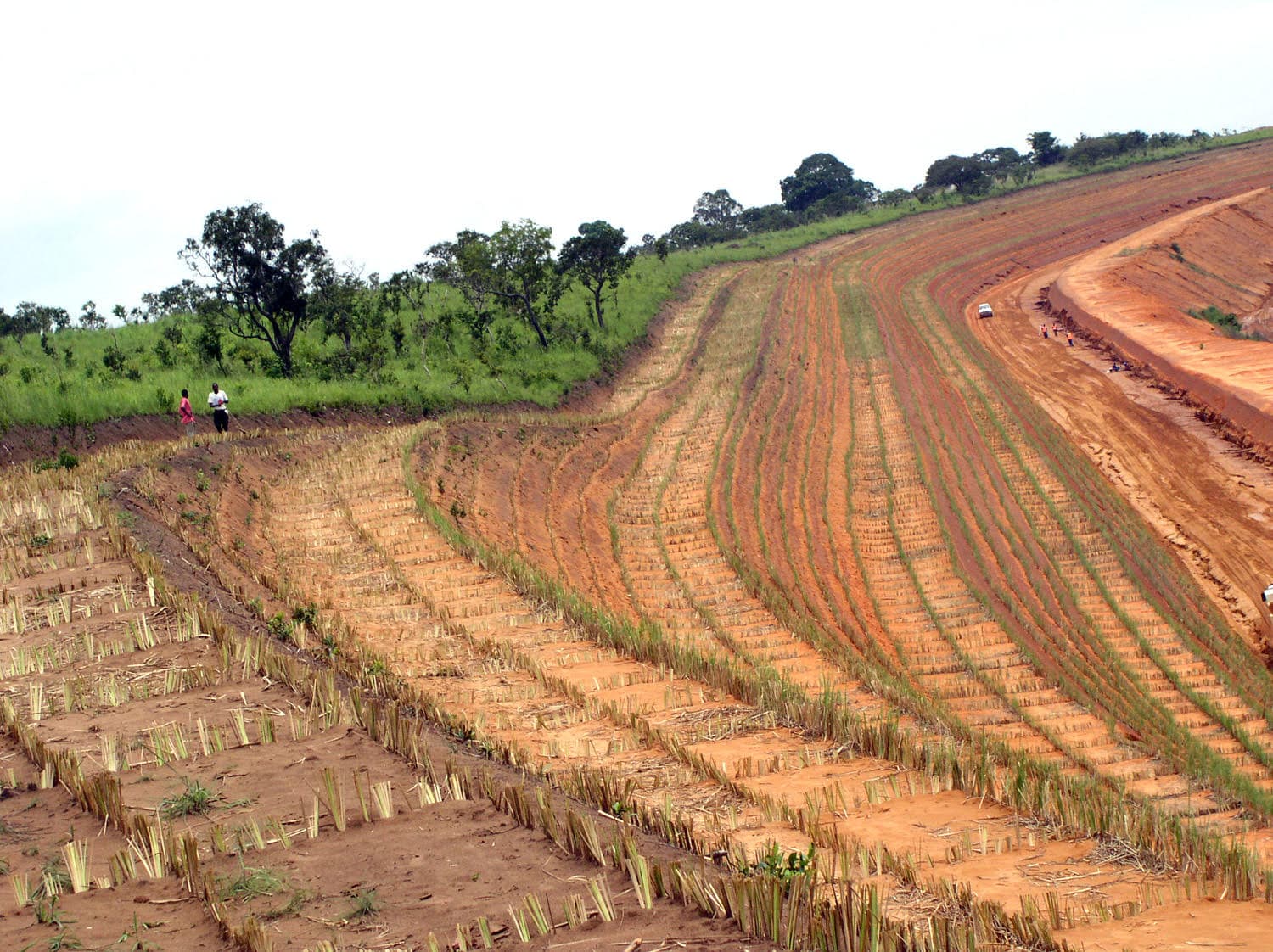
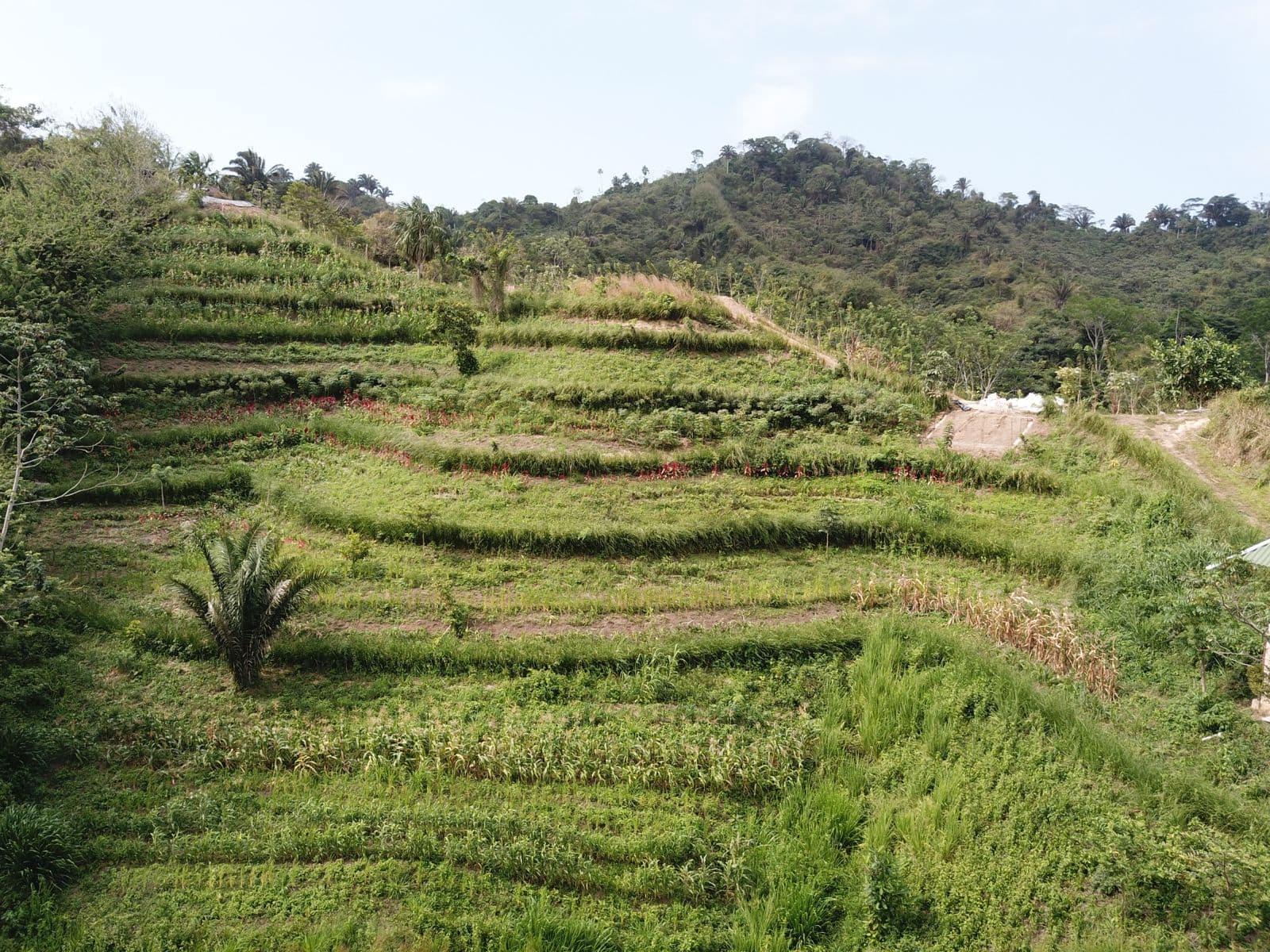
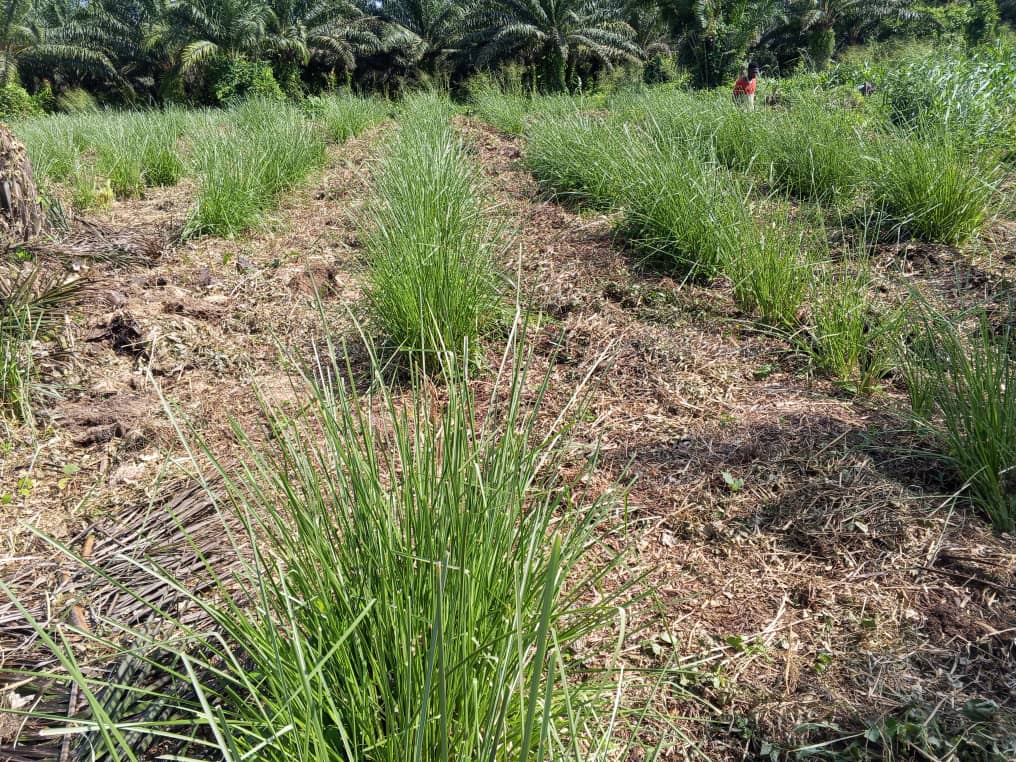
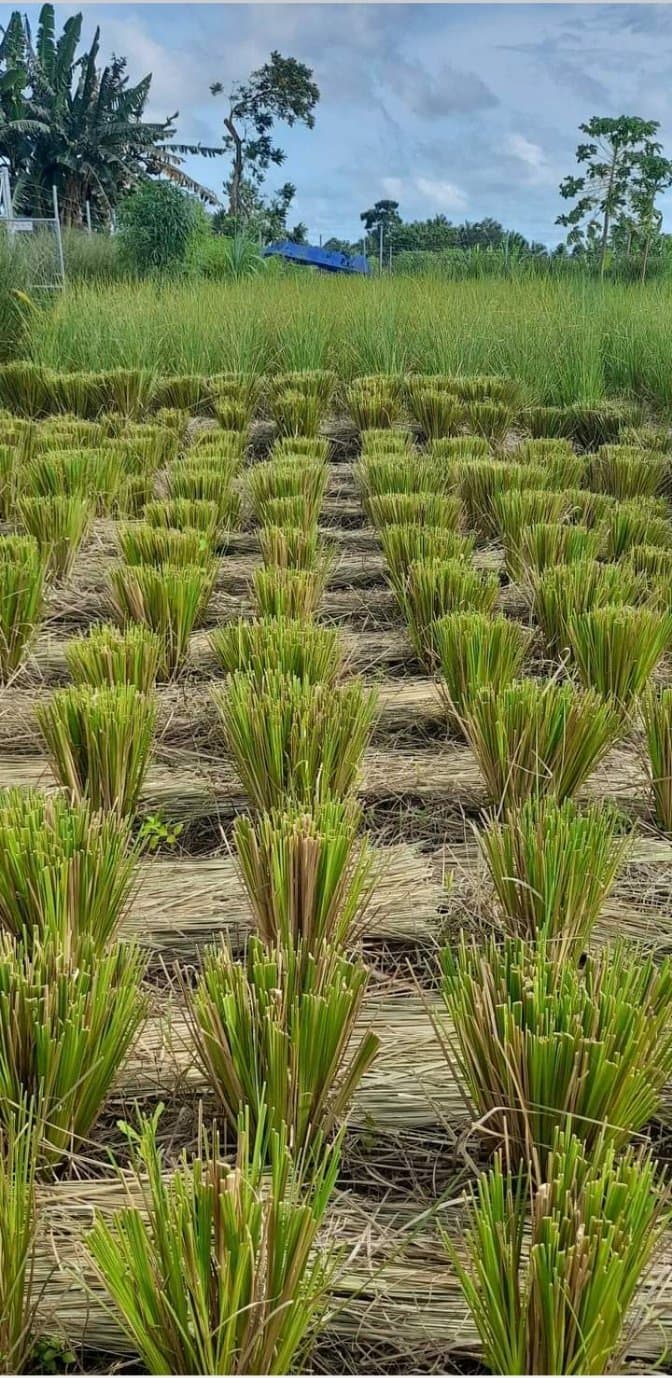
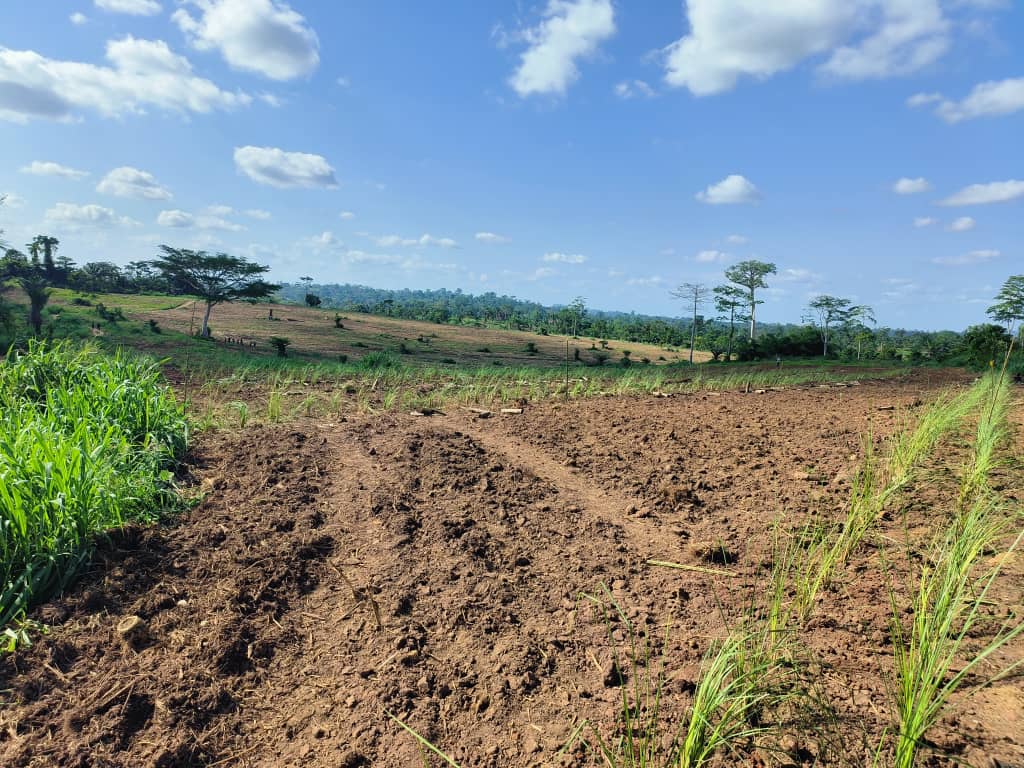
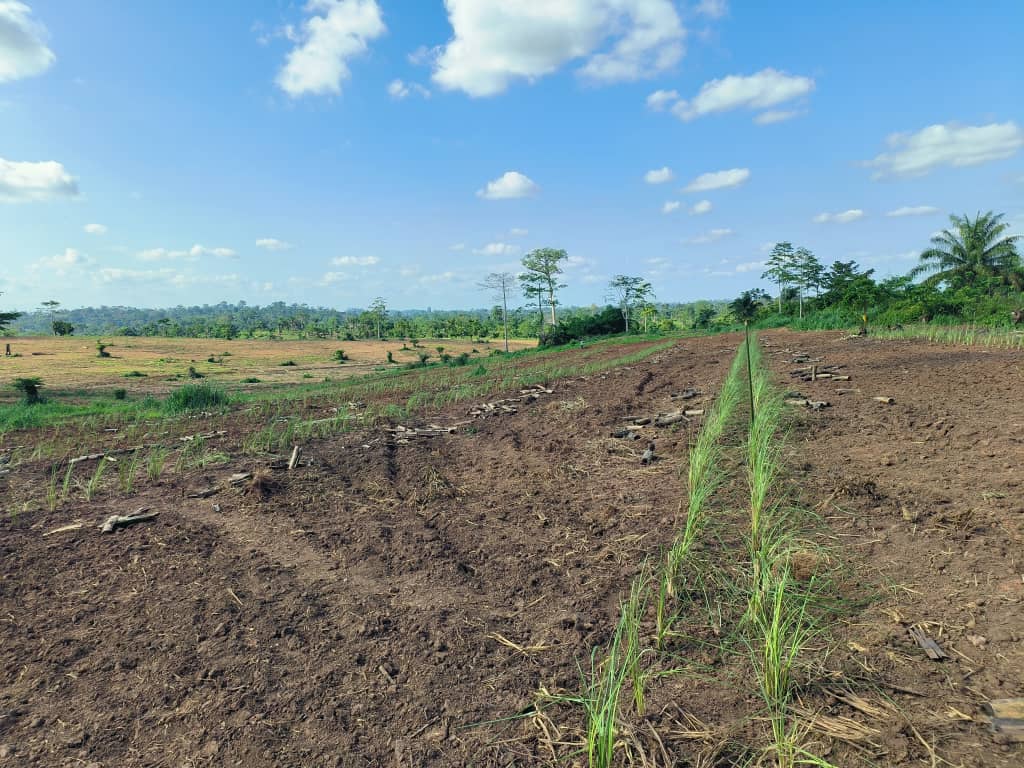
Vetiver is planted in contour hedgerows across slopes, following the land's natural grade.
02
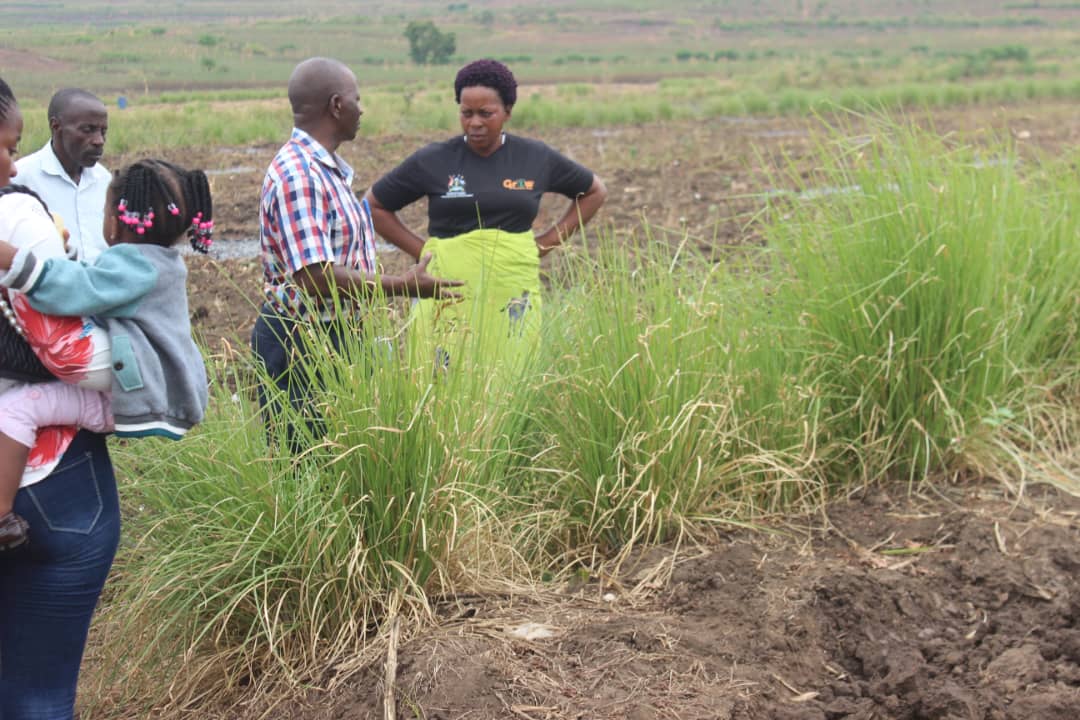
Within two seasons, roots reach 3–5 m deep, locking soil in place against heavy rain and runoff.
03
Hedgerows act as natural silt traps, slowing runoff and pushing water into the ground instead of off it.
04
Fields, roads, and slopes become more productive and resilient with minimal ongoing maintenance.
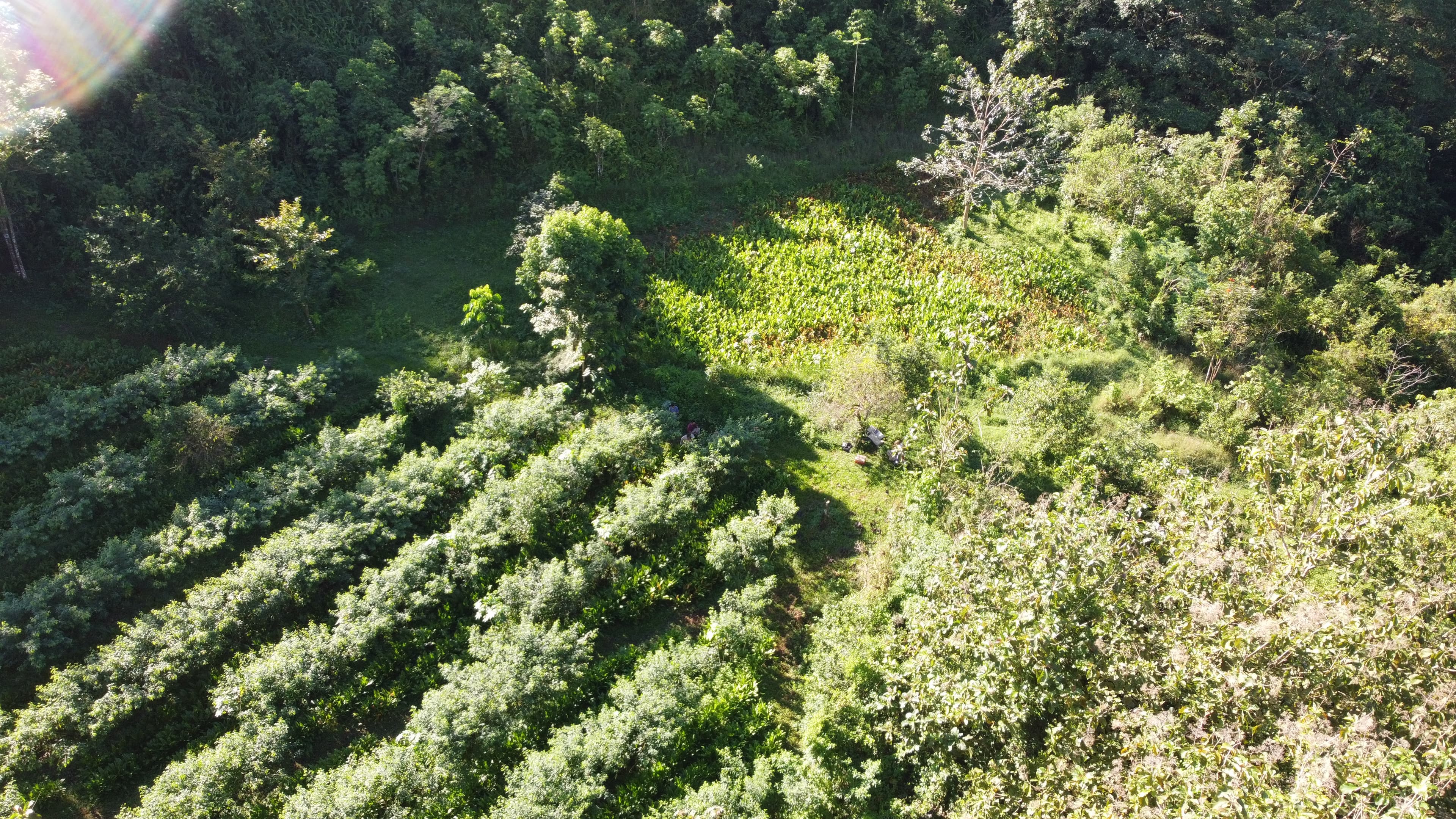
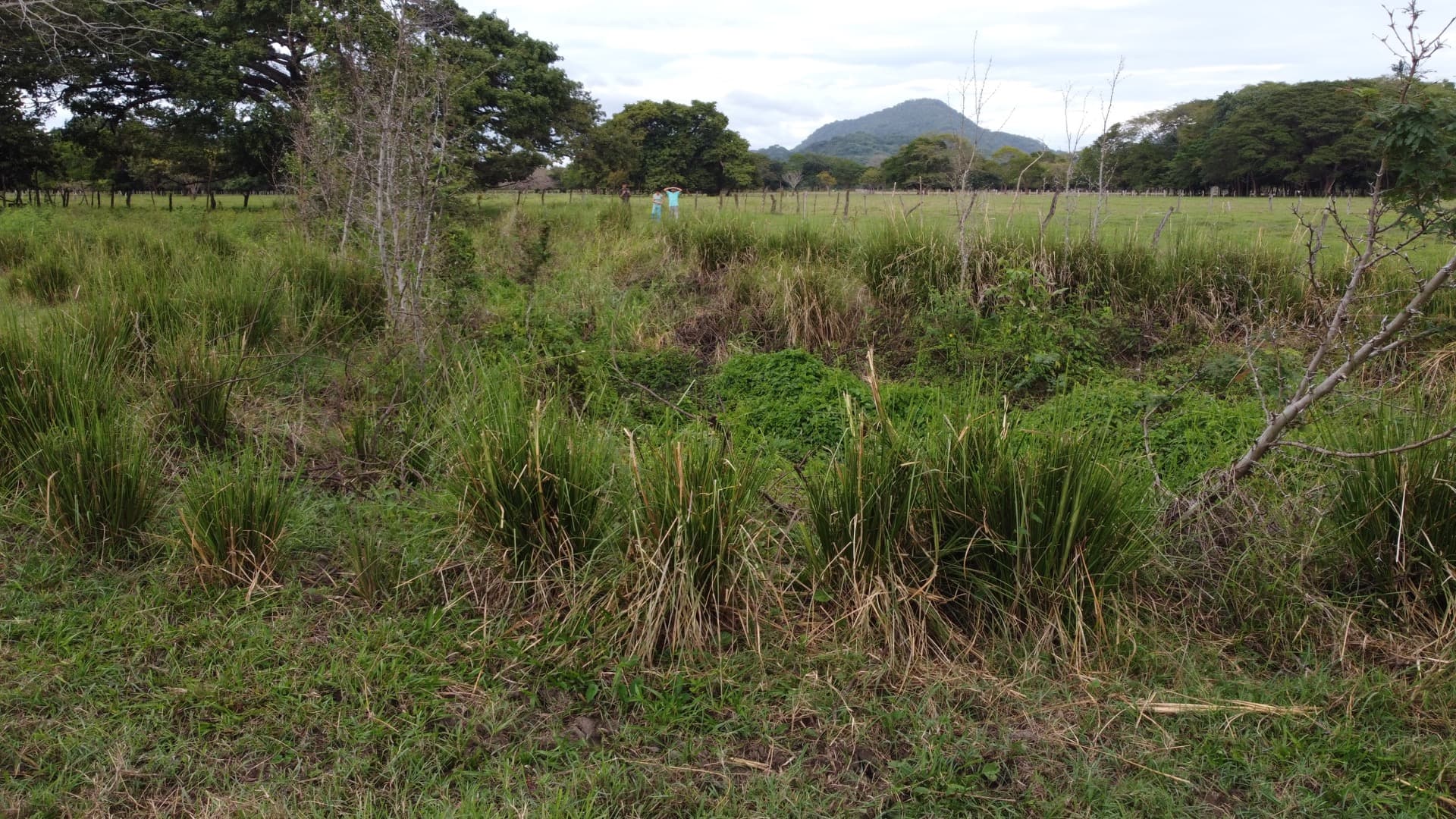
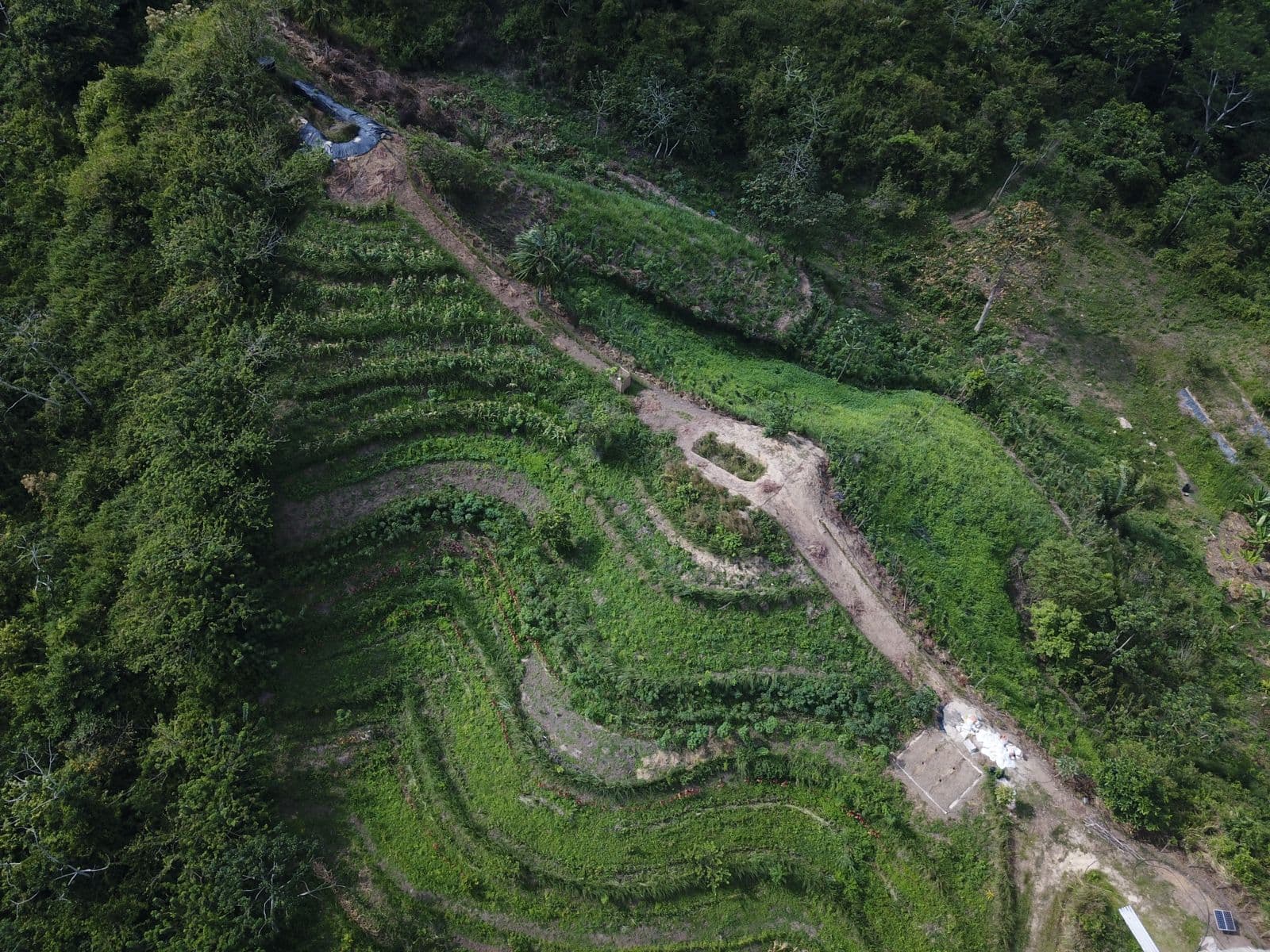
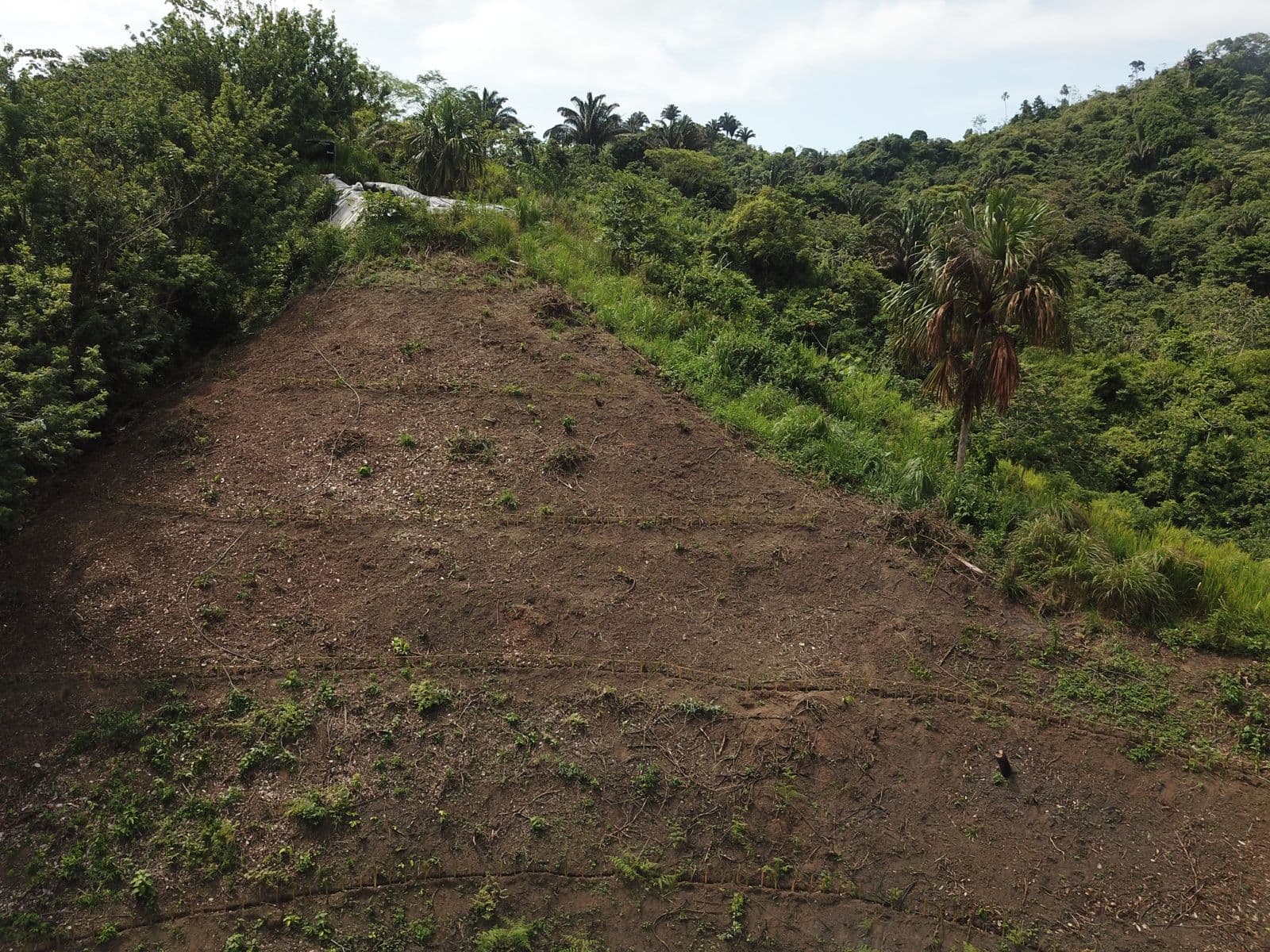
Finca Sin Fronteras · Costa Rica
Drag the handle to compare the hillside before vetiver planting and after establishment.
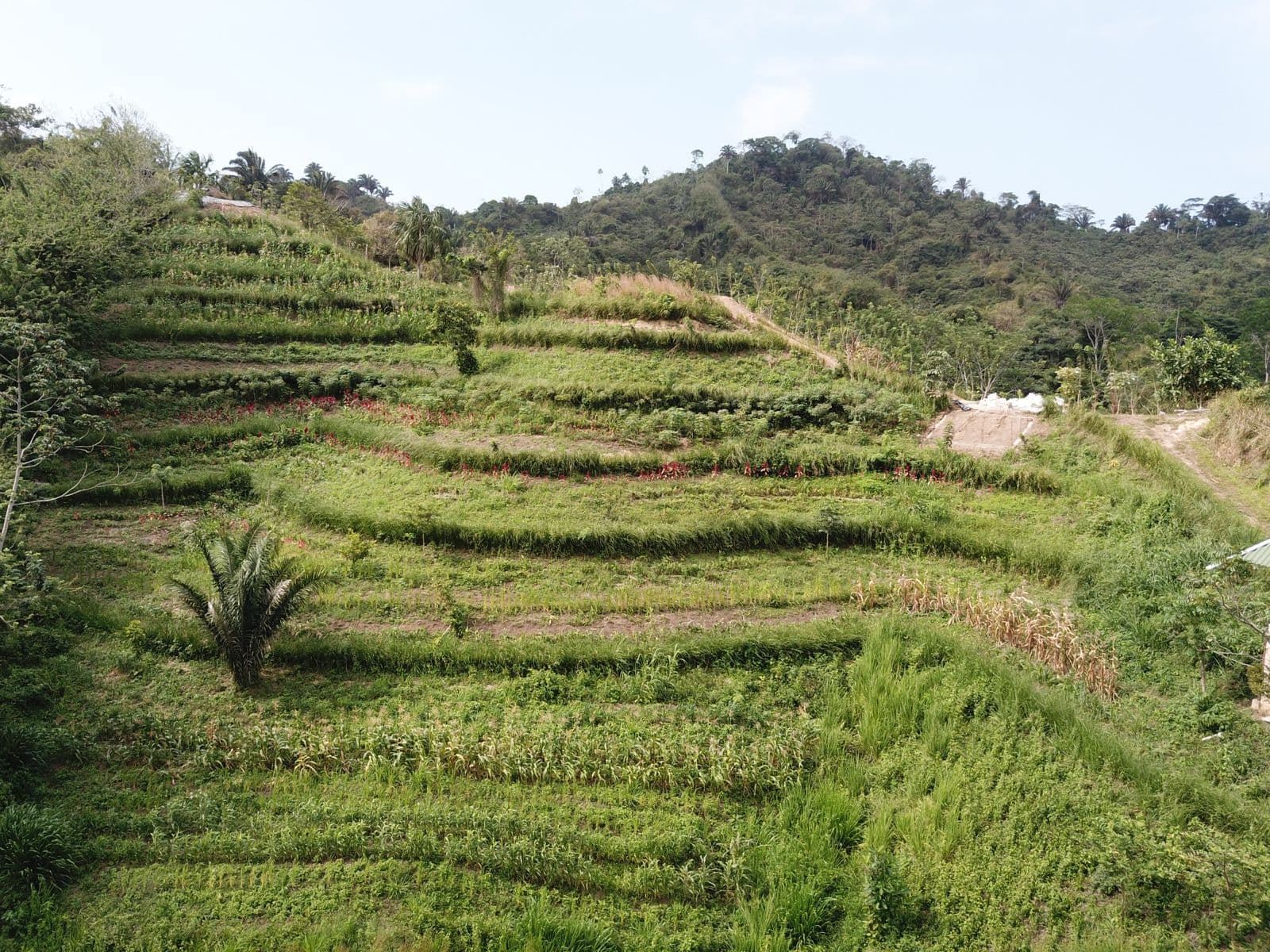
Same hillside, Finca Sin Fronteras, Costa Rica.
How vetiver helps
Every figure is flagged as reported, cited, or a planning reference. These are working benchmarks — results vary by site and management.
90%
Soil-loss reduction
From vetiver hedgerows on vulnerable slopes. Observed across multiple field sites; results vary by site and management.
3–5m
Root depth
Typical across field conditions in multiple countries — what holds soil in place through heavy rain.
30+
Countries
Where vetiver is cited in national and regional land and water planning references.
Here is what specific contribution levels make possible on a real site.
A recurring gift keeps planting and training steady — set up a monthly donation →
VSF in RDC
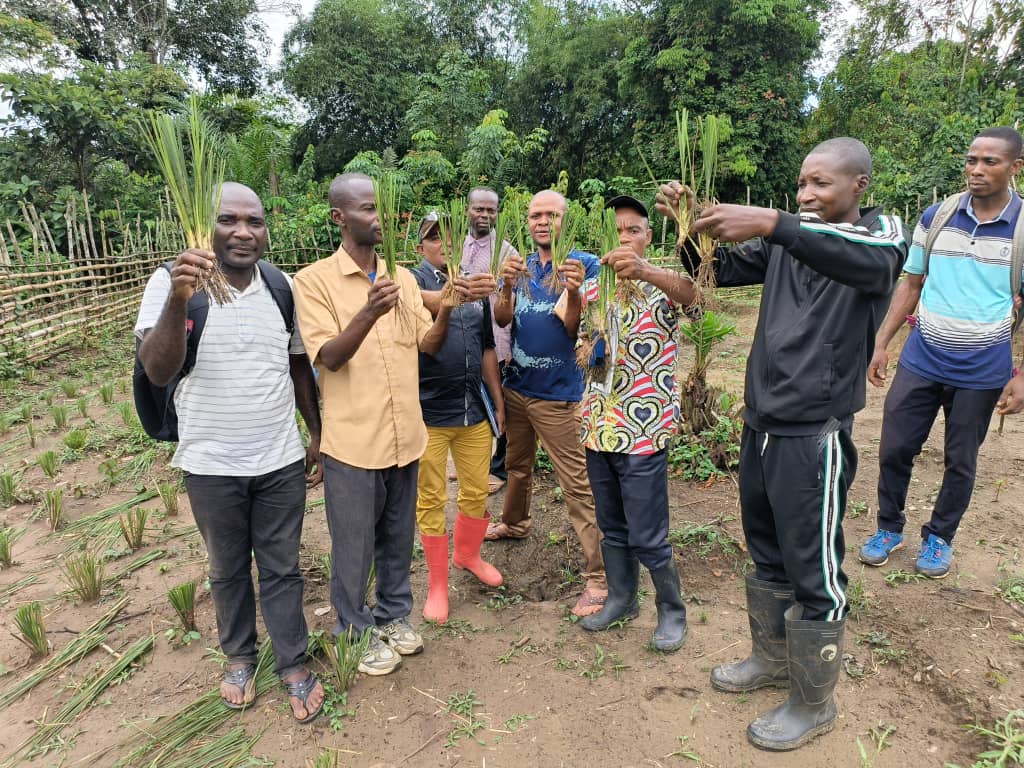
Active nursery network · 4 regions
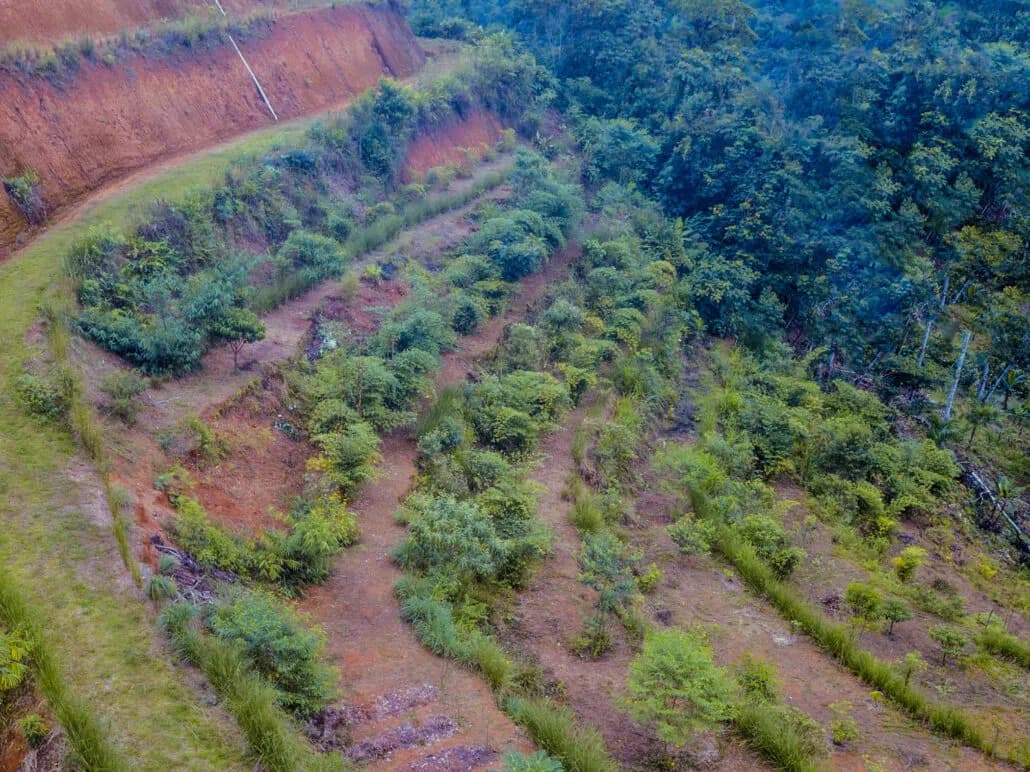
Finca Sin Fronteras
Costa Rica
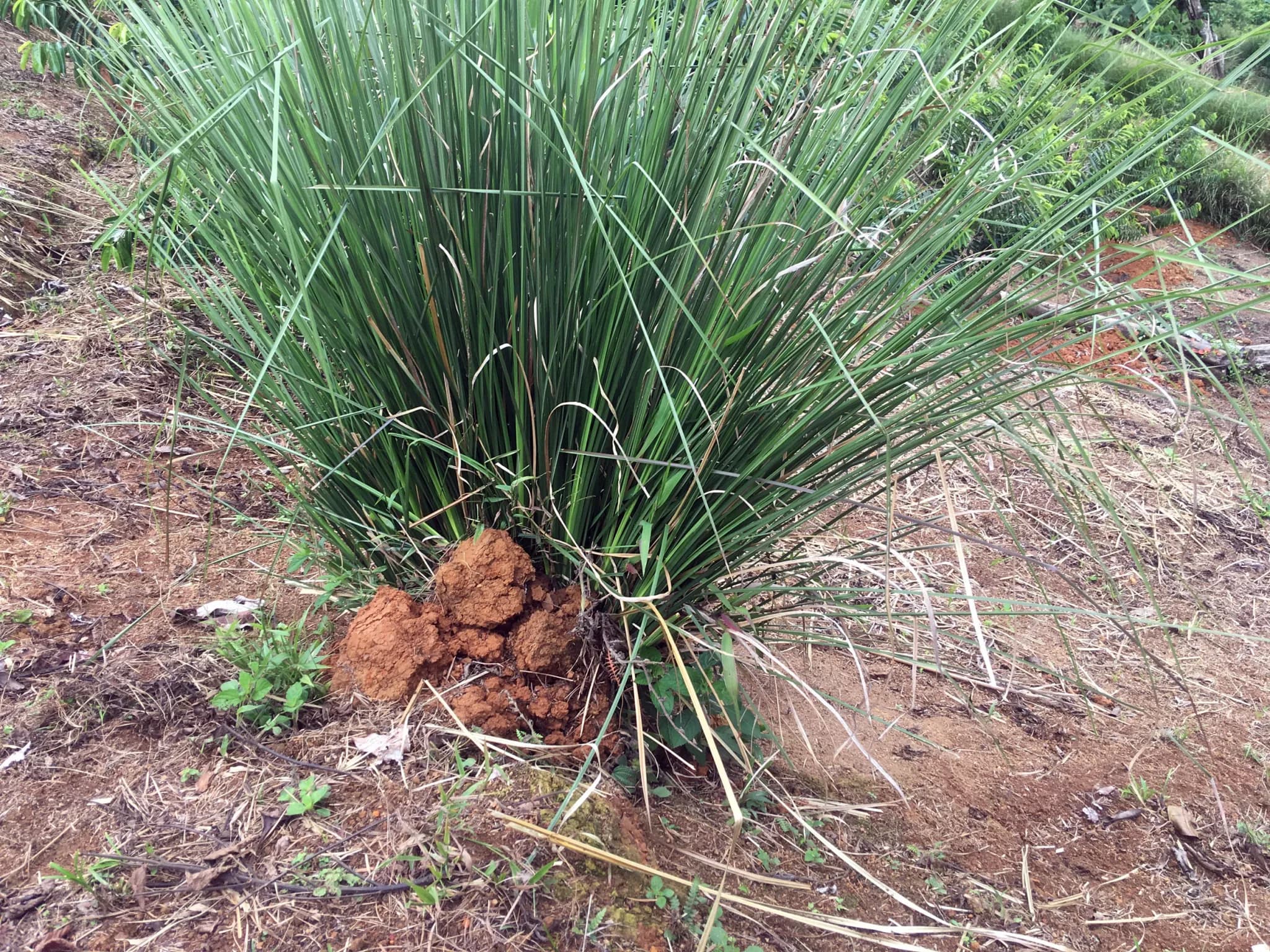
VSF in Colombia
San Rafael · documented April 2026 planting
Field training
Multiple sites
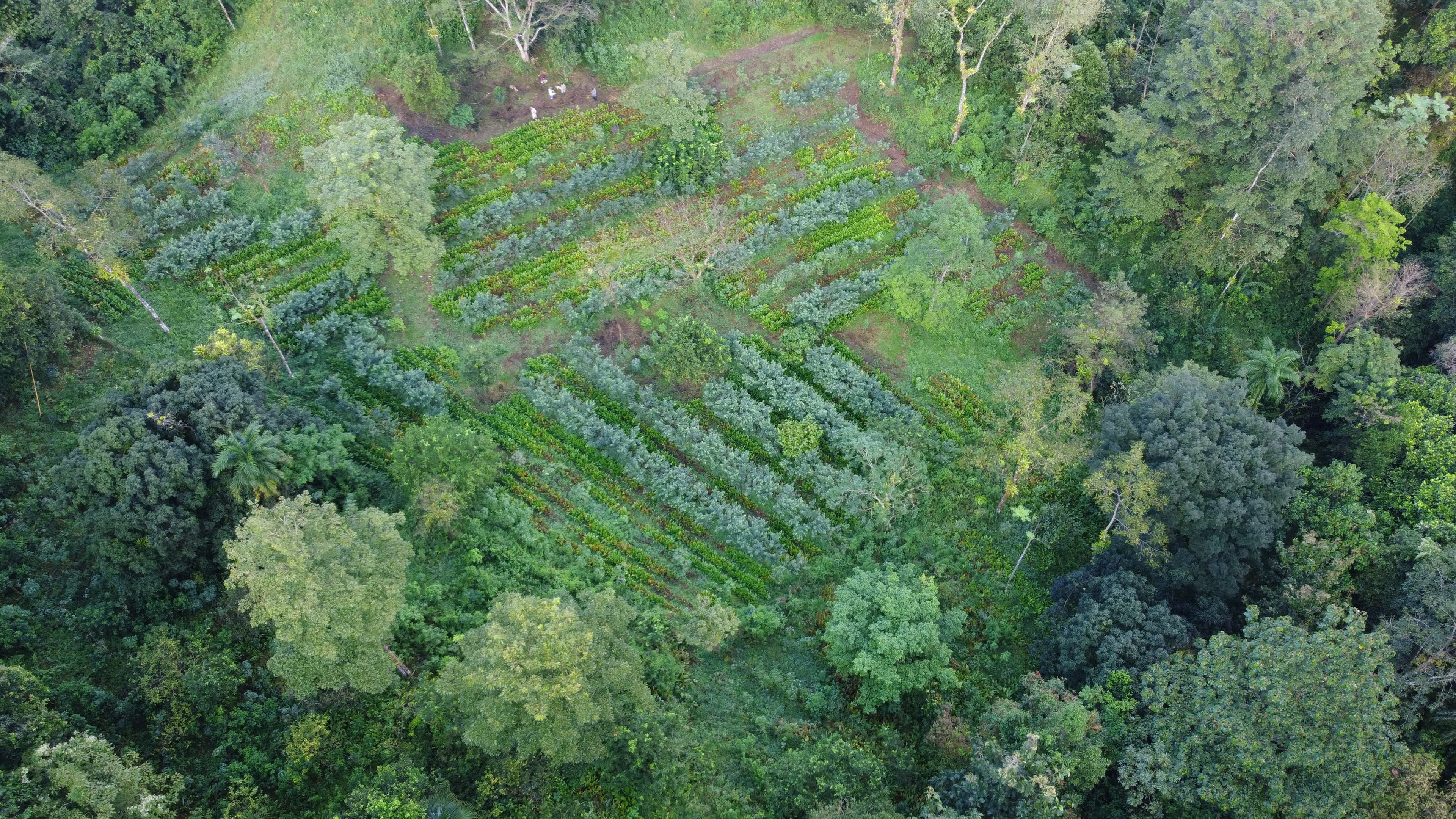
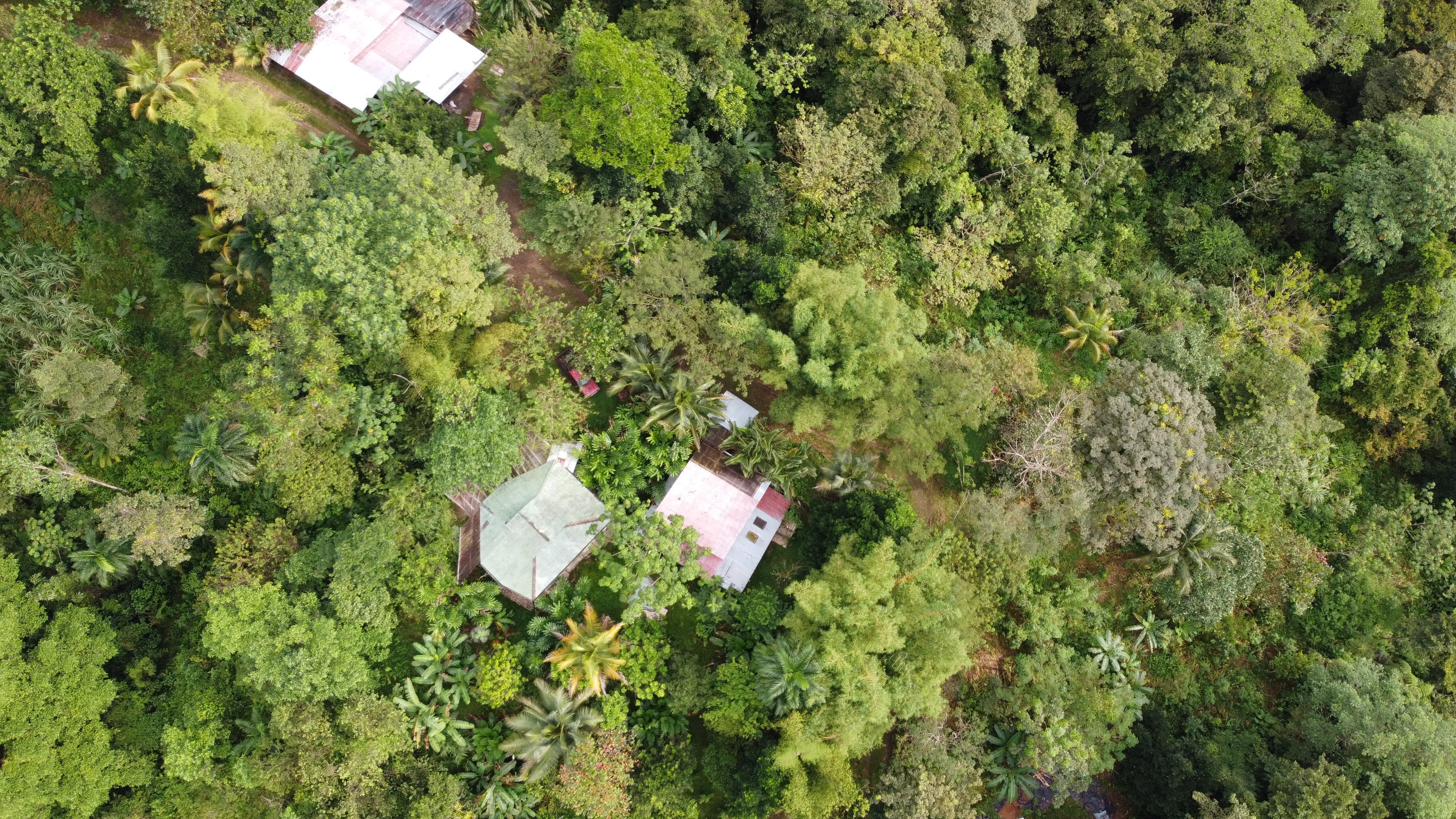
Drone monitoring
Ongoing surveys
When fertilizer costs rise, every kilogram of soil and nutrient lost to runoff becomes more expensive. Field resilience helps farmers keep more of what they invest.
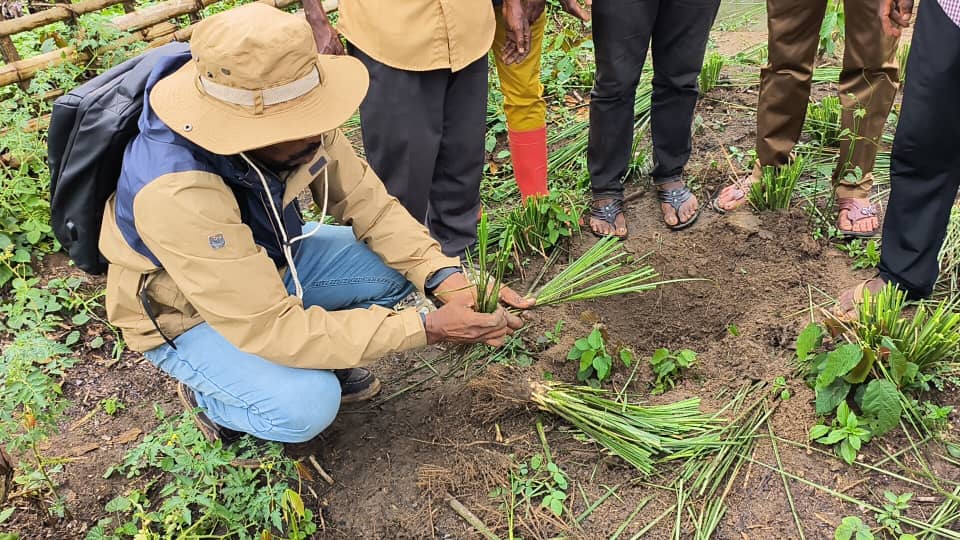
A vetiver hedge planted along the contour slows runoff, holds soil in place, and stabilizes slopes. Here is how to plant one, step by step.
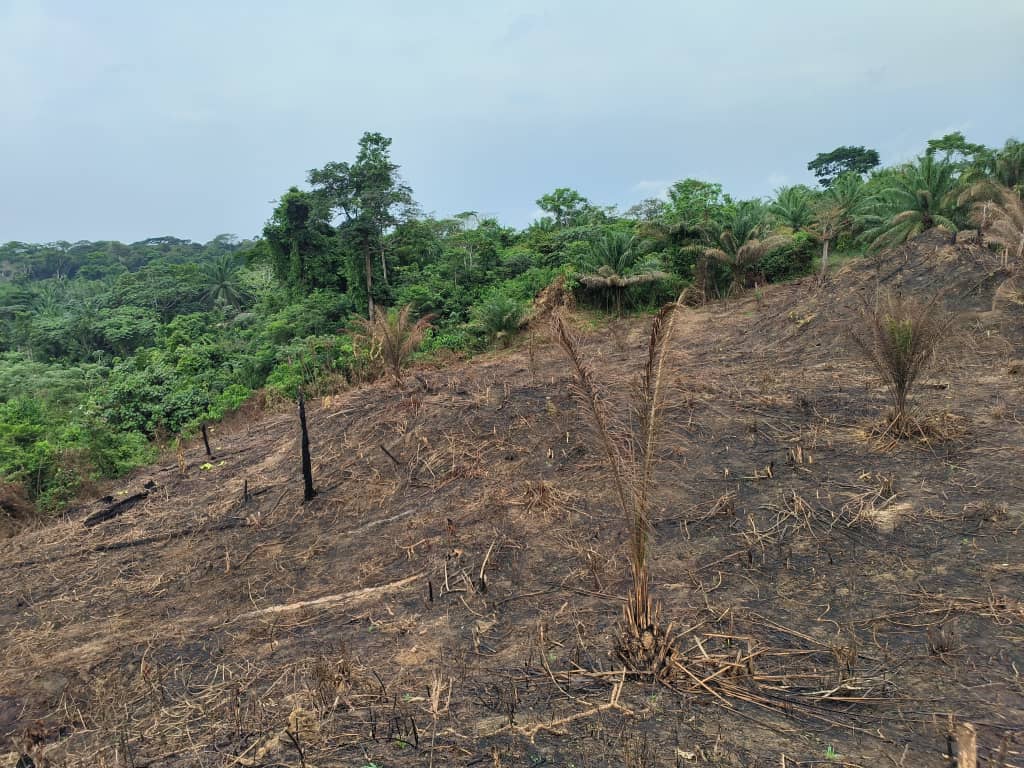
From Fire to Future: Breaking the Cycle of Slash-and-Burn Agriculture In the Congo Basin, millions of smallholder farmers face an impossible choice: feed their families today or…
Before vetiver, every rainy season meant losing ground. Now the slope holds, and we can actually plant on it.
Field observation · Kasangulu, Congo Basin