
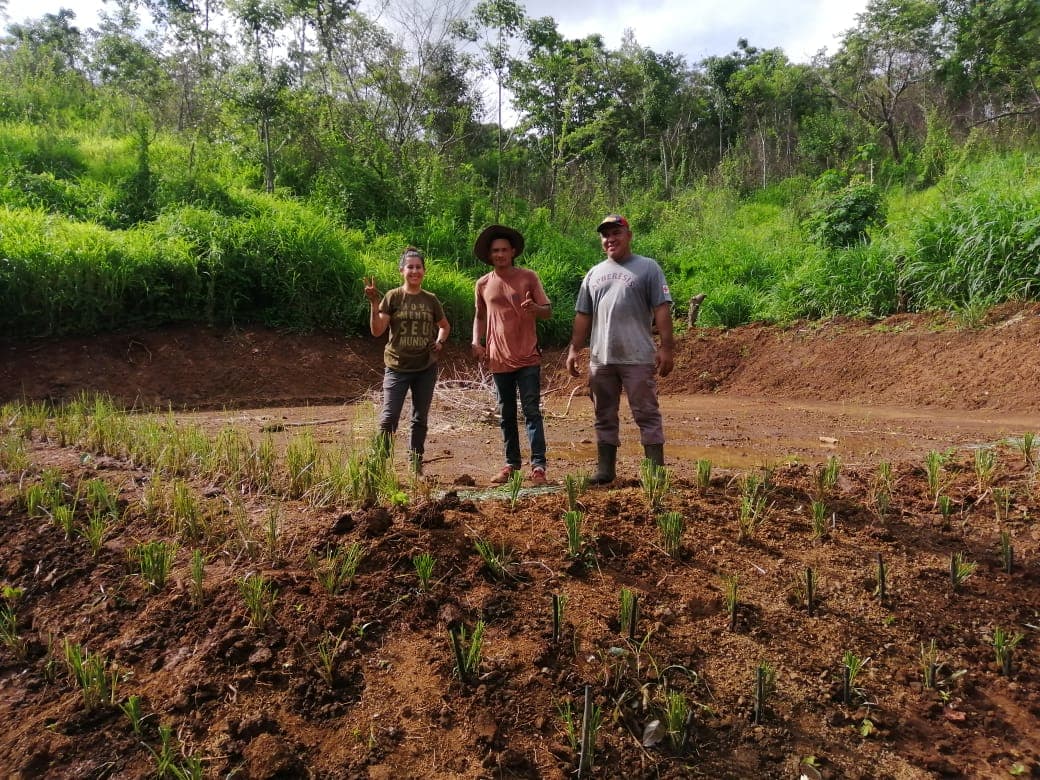
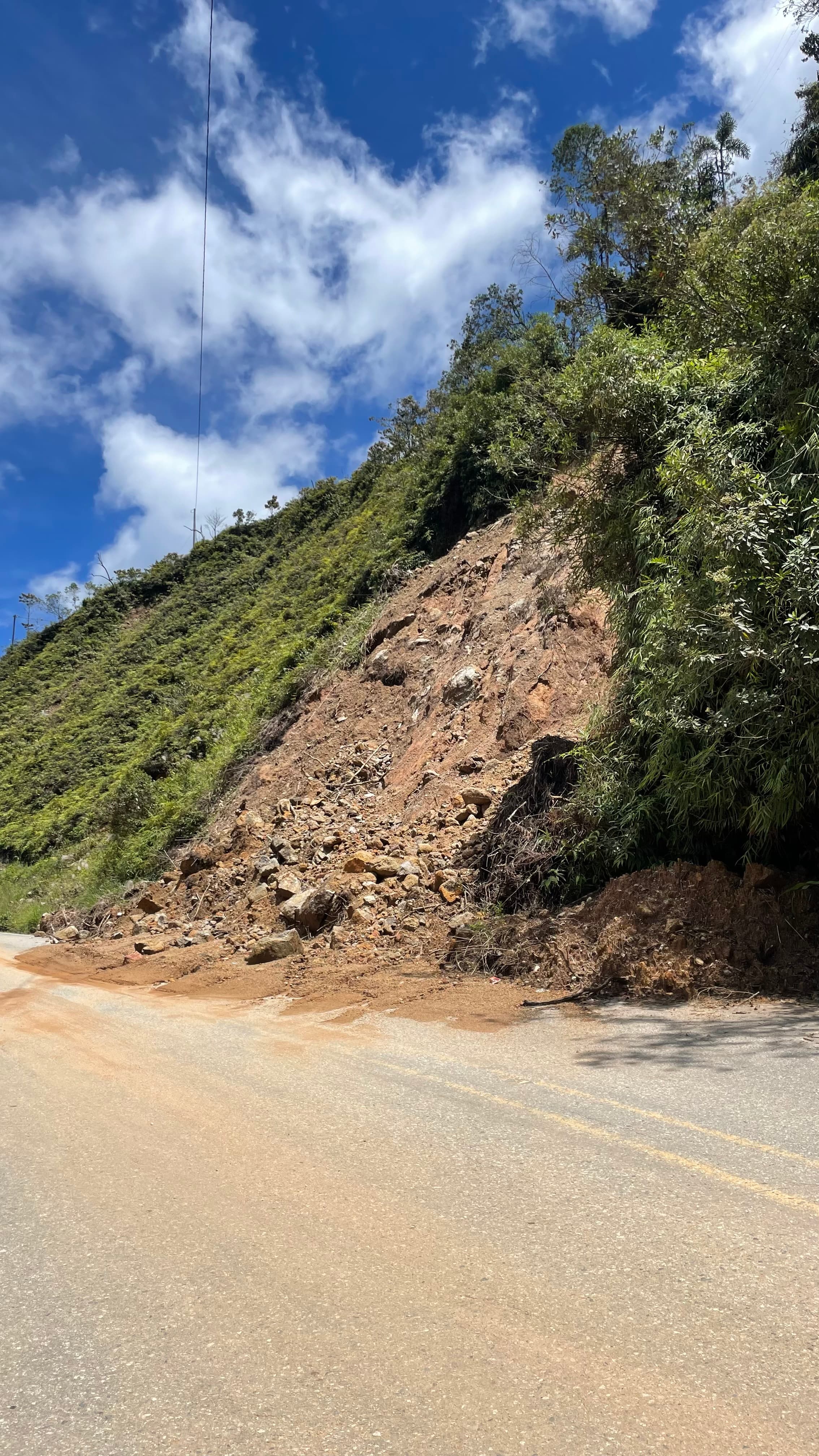
On a slope or a gently sloping field, heavy rain carries off the most fertile layer of soil. Water cuts small channels, then gullies, yields fall, and land has to be cleared further and further out. It is a concrete, common problem, and it is often expensive to fix with hard engineering.
There is a living, low-cost answer: a vetiver hedge. Planted well, it slows runoff, holds soil in place, and stabilizes the ground, season after season.
What is a vetiver hedge?
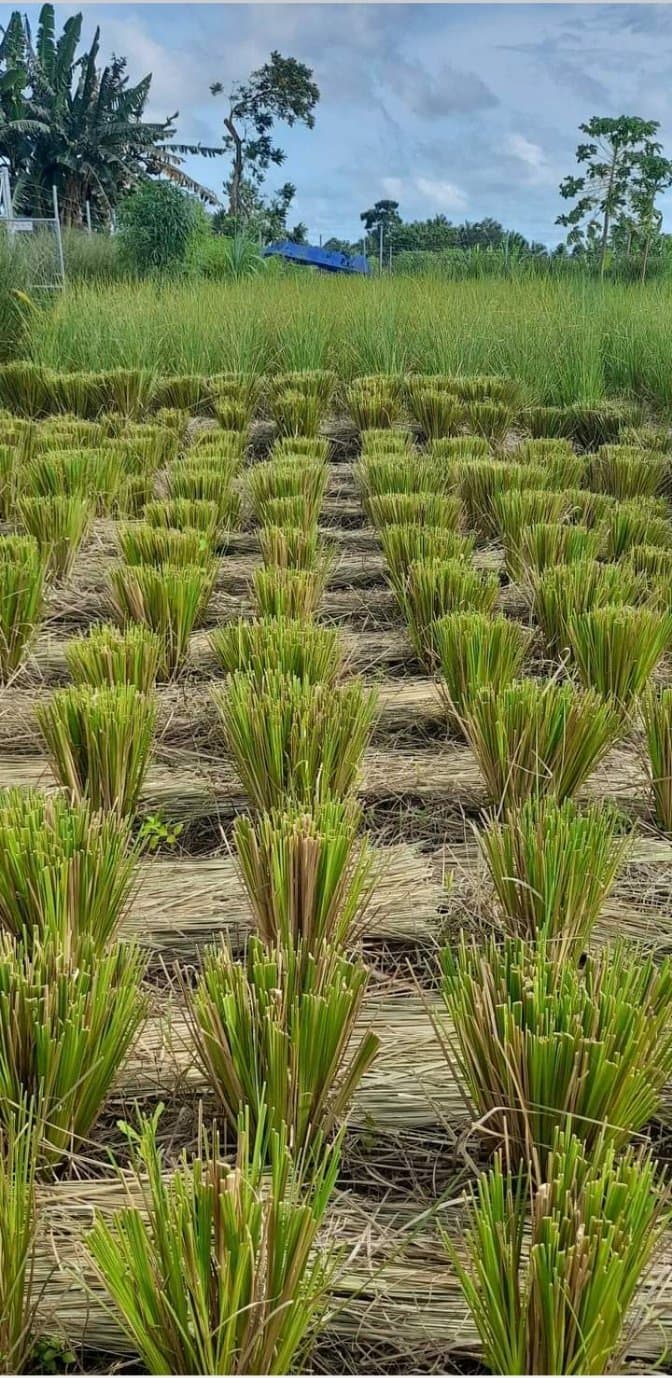
Vetiver is a deep-rooted grass. Planted in a tight line along the contour, it forms a living hedge that acts like a small barrier: rainwater slows down, sediment settles out, and soil stays put instead of moving down the slope.
What makes the hedge work:
- A deep, fibrous, massive root system that can reach two to three metres in the first year and holds the soil like a frame.
- Stiff stems that stand up to flowing water instead of flattening.
- A fast-growing, non-invasive plant that the people farming the plot can maintain themselves — no heavy machinery, no concrete.
Once established, a good vetiver hedge can reduce runoff by up to 70% and soil loss by up to 90%.
How to plant a vetiver hedge, step by step
1. Choose the right time
Always plant at the start of the rainy season, when the soil is moist. Young plants then have time to root before dry spells.
2. Prepare the slips
Divide a clump of vetiver into slips of about three tillers each. Trim the leaves to 15–20 cm above the base and the roots to about ten centimetres. These slips are your planting material.
3. Mark the contour lines
The hedge must follow the contour — staying level across the slope. That is what lets the whole line slow water evenly, rather than letting it concentrate at one point.
4. Plant tight
Open a furrow along the contour. Set two to three tillers per hole, about 15 cm apart along the line. Point the roots downward, then firm the soil around them so no air pockets remain. The goal is a continuous line with no gaps.
5. Close the hedge in the first weeks
A hedge only really protects once it is closed — with no gap for water to slip through. Keep the soil moist for the first weeks and fill in any spots where plants did not take.
6. What to expect
The first effects often show within six months. Where the slope is cultivated, small natural terraces can form in about two years as soil builds up behind each line. After that, an established hedge needs very little upkeep and lasts for years.
How many plants do you need?
Vetiver multiplies quickly. A one-hectare nursery can produce enough to plant 100 to 150 km of hedges. Growing your own nursery is often the most economical way to prepare a large planting — and to train others at the same time.
Where does a vetiver hedge help?
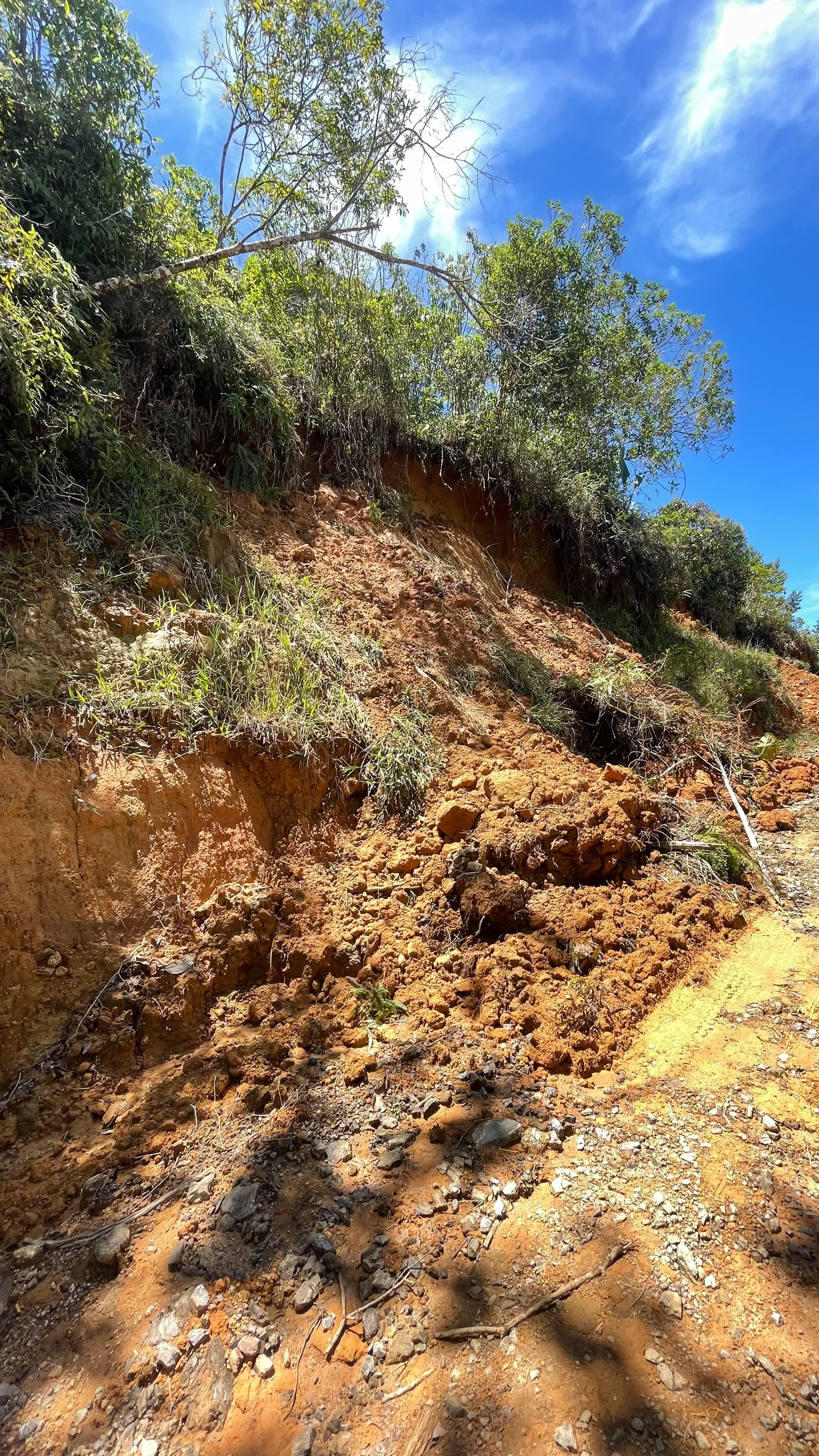
The same vetiver lines address several common problems:
- holding soil and moisture on sloping fields;
- stabilizing a fragile bank or slope;
- protecting riverbanks and slowing gullies;
- protecting the edges of roads and tracks;
- starting the recovery of degraded land.
From reading to planting
Vetiver Without Borders helps communities learn, test, and apply vetiver in real conditions. If you are preparing a planting, here are the useful next steps:
- A specific question (spacing, number of plants, timing, slope)? Ask our vetiver planting assistant.
- See vetiver at work in the field: explore VSF's work in the DRC.
- Understand the basics: learn more about vetiver and the Vetiver System.
These techniques draw on the standards of The Vetiver Network International (TVNI).