
Verdenergia: Cultivating Sustainable Production in Costa Rica
Costa Rica, a country shaped in part by conventional agriculture with sprawling pasture and cacao fields, saw important changes in the 1990s. Like its neighboring nations, the expansion of agriculture had been gradually displacing primary jungles and disrupting animal habitats. Regenerative projects began to take root as one possible path toward a more sustainable future.
The Visionaries Behind Verdenergia
At the forefront of this regenerative movement stood Joshua Hughes, an entrepreneur focused on ethical modern businesses.
LinkedIn. IG: Joshuahughes_rewild
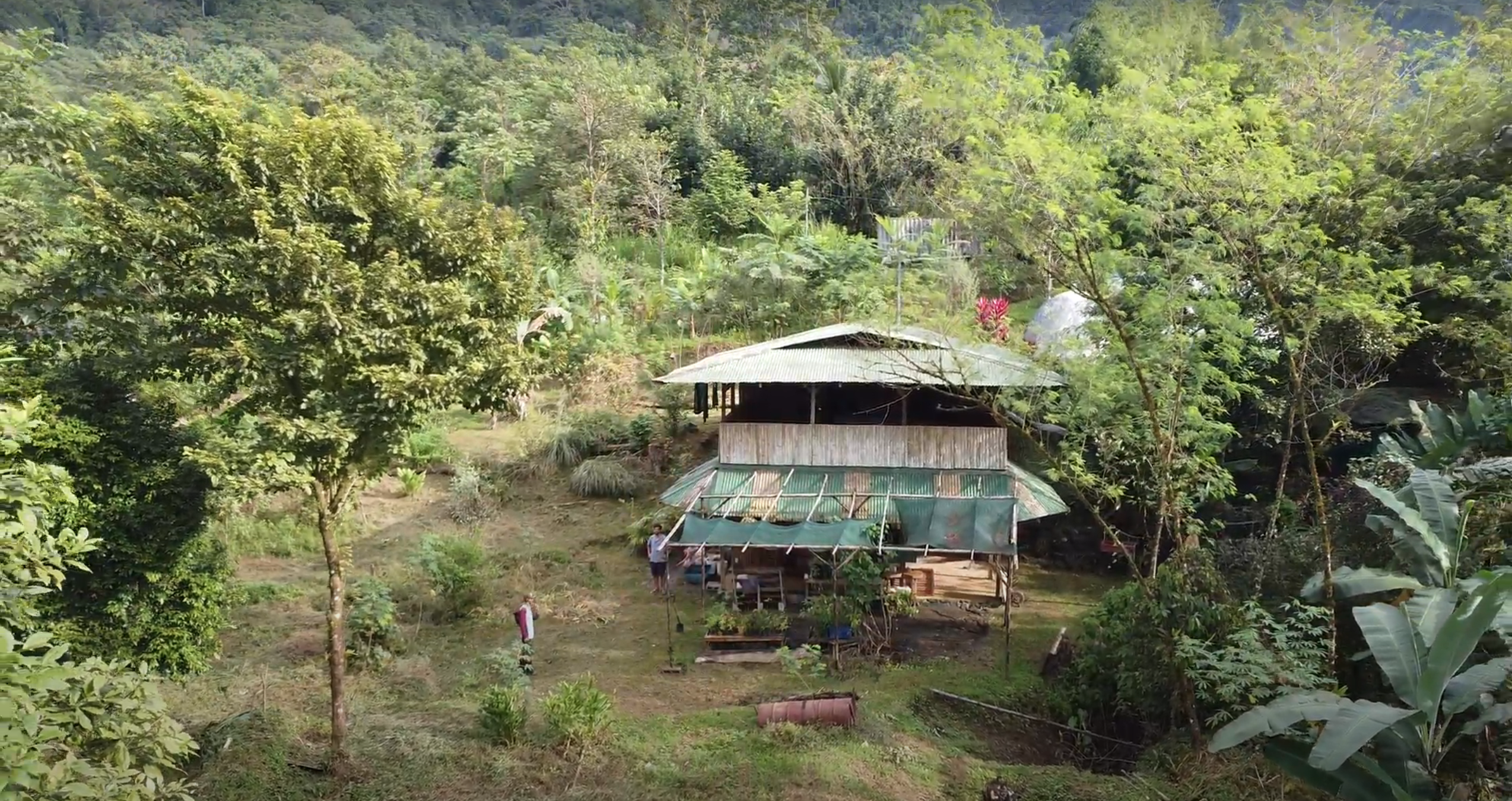
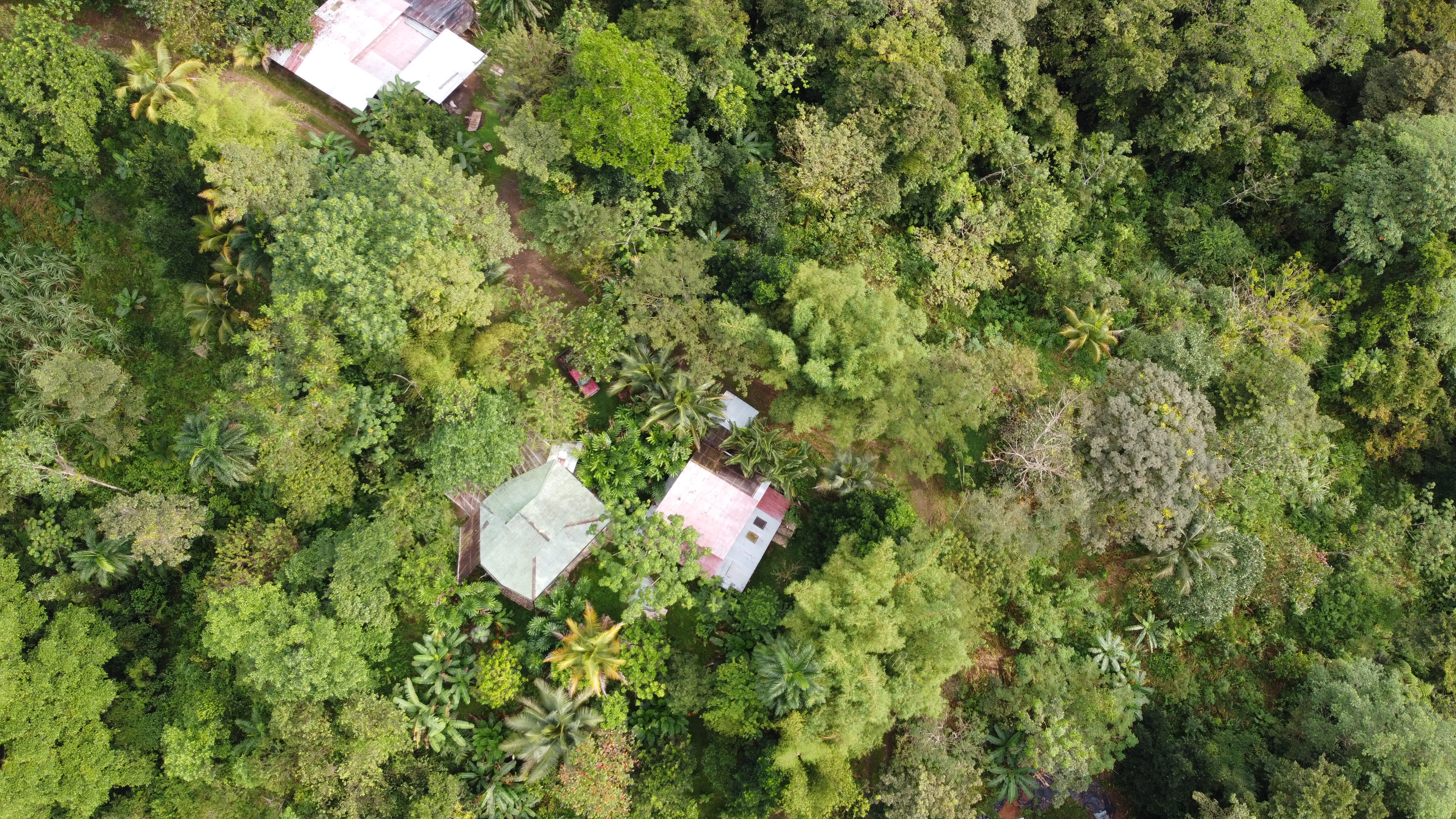
In 2006, Joshua initiated the creation of Verdenergia, a permaculture farm in Costa Rica with regenerative practices. The work became a long-running learning process with practical lessons along the way.
Rallying for Reforestation
Verdenergia quickly gained momentum and brought many people into its reforestation work in Costa Rica. The collective effort helped restore the landscape and offered a reference point for others interested in similar work.
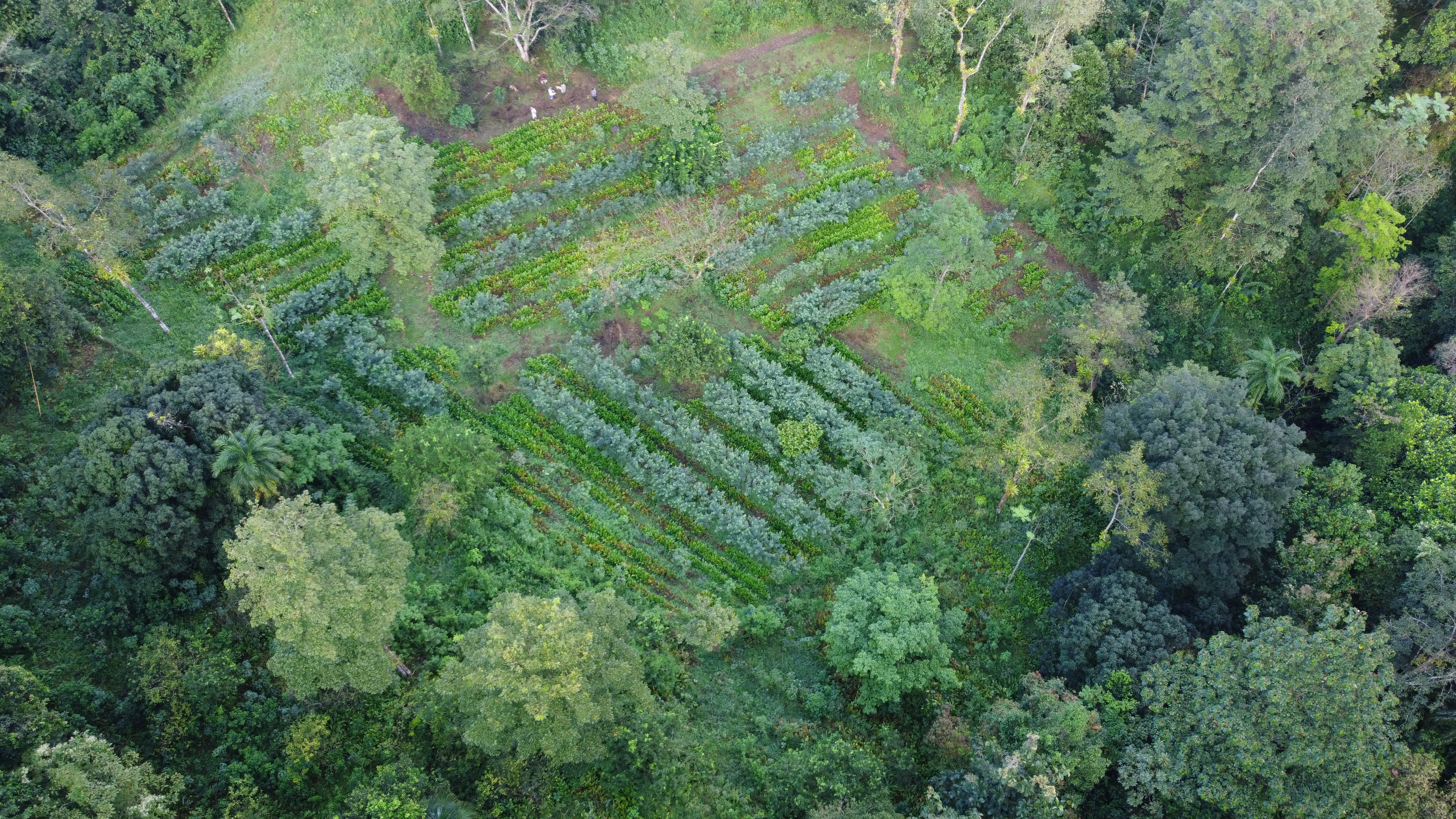
From Pasture to Food Jungle Gardens
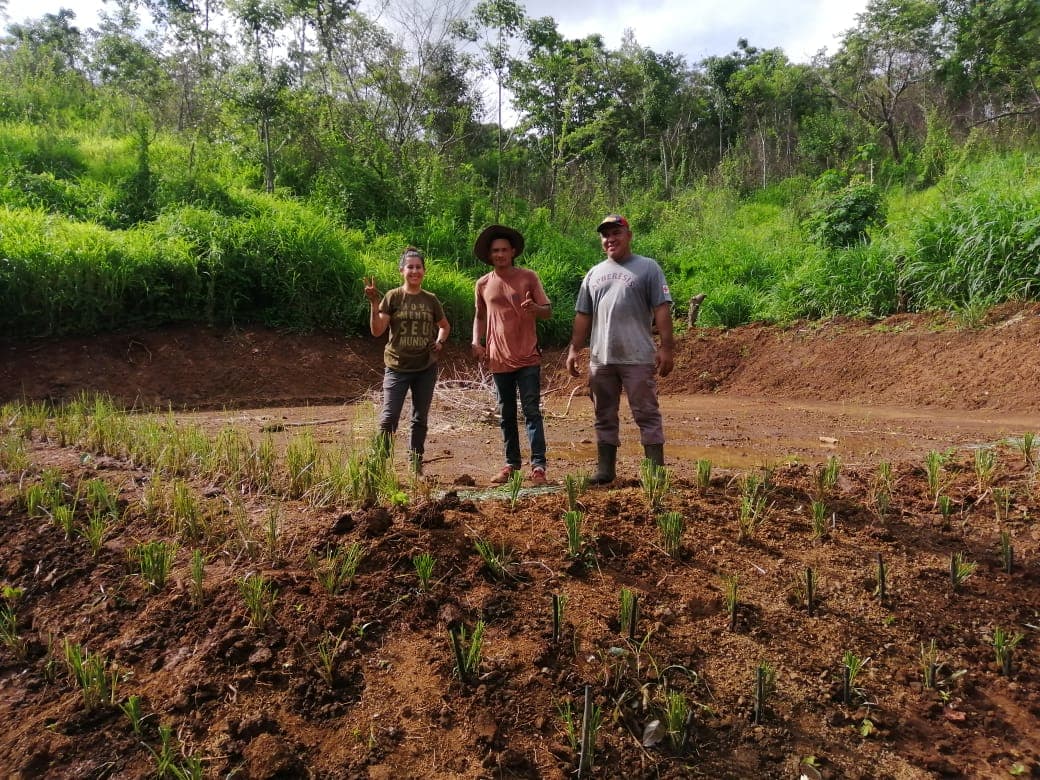
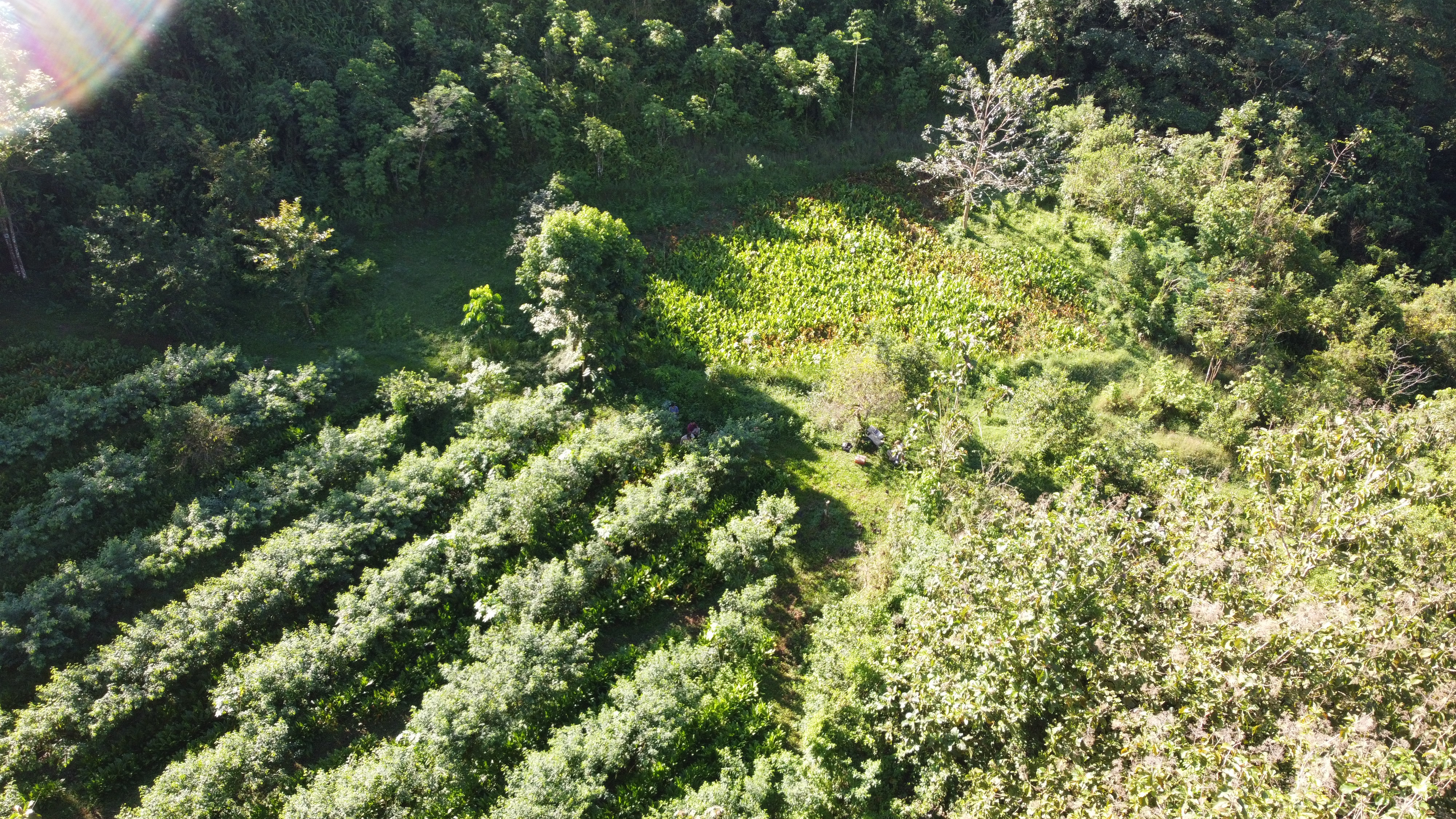
One of the main initiatives at Verdenergia was the regeneration of pasture fields. The focus was on breathing new life into depleted landscapes by using sustainable food-production methods. This marked a shift away from destructive practices like burning forests to create arable land. In this process, Verdenergia incorporated the Vetiver System as one tool for soil conservation and erosion control.
Vetiver, a versatile grass known for soil-stabilizing and erosion-control properties, has been a constant companion in this work. Used strategically throughout the projects, Vetiver helped reduce soil erosion while new crops were established, landscapes were stabilized, and more diverse ecosystems were supported. Walking through their fields, you can see the value of designing on contour lines. The soil appears healthy and layered across much of the farm.
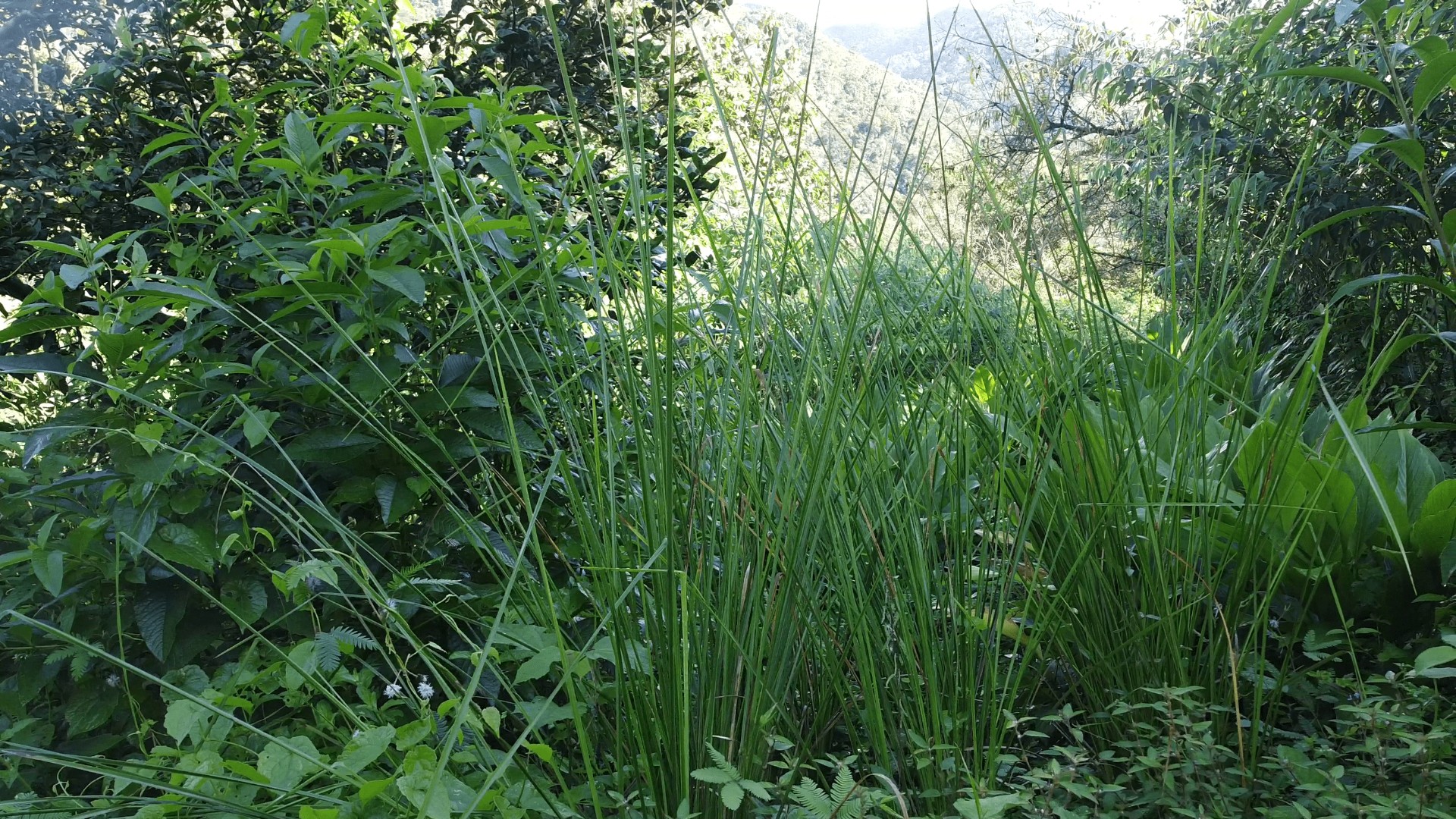
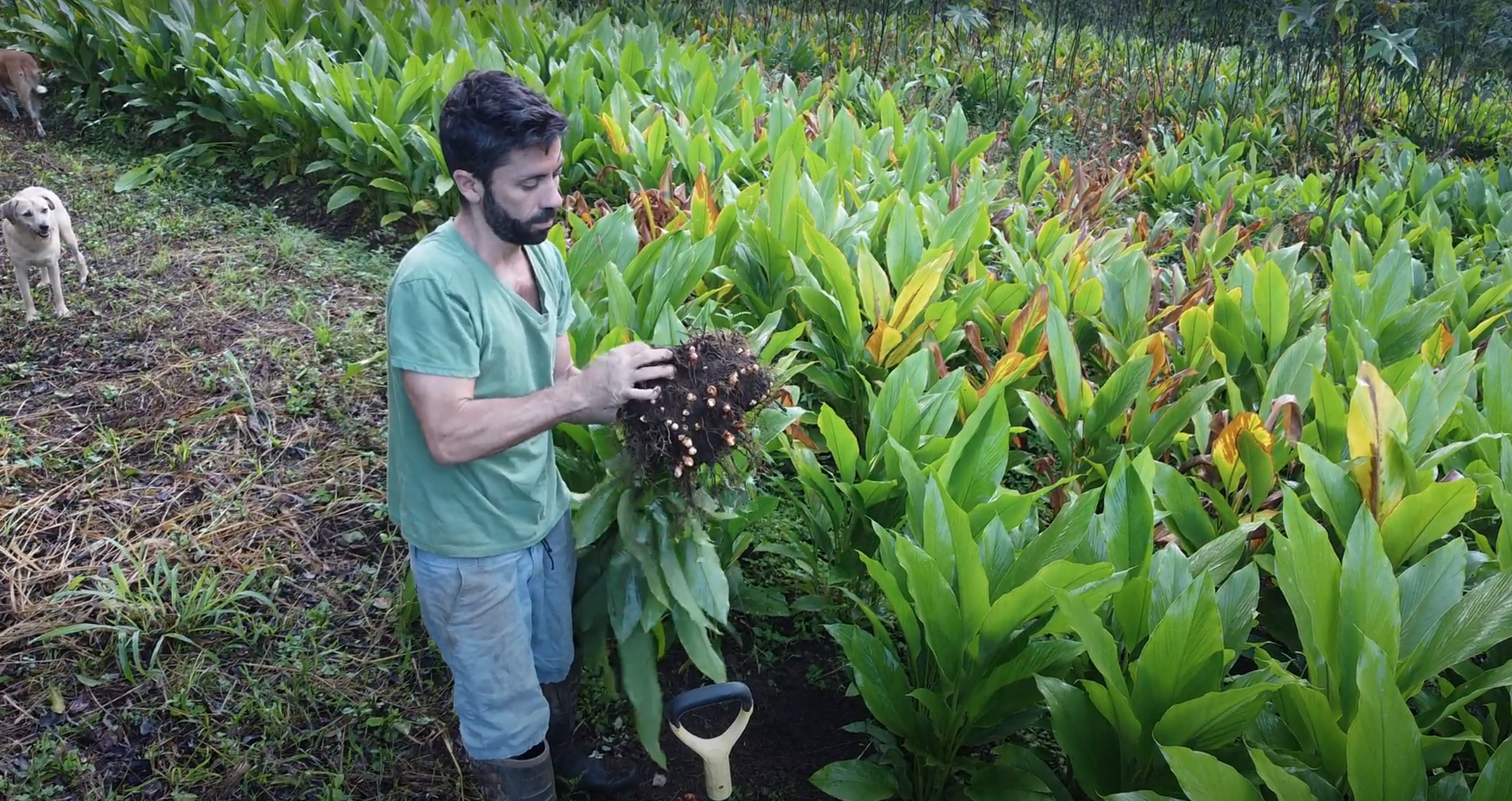
Everywhere you dig, you can see deep, dark, earthy soil hosting many different trees and species. Walking with Steven, a permaculture designer, he explains how he sees Vetiver as a useful pioneer species for soil regeneration. The Vetiver System, with its deep-rooted and resilient grass, helped prevent soil erosion and acted as a natural barrier against runoff, allowing the land to recover over time. Through the strategic use of Vetiver, Verdenergia showed how regenerative agriculture and eco-friendly practices can work together in practical land management.
Impact on the Community
The transition from barren pastures to food-forest gardens shows what Verdenergia's regenerative projects were able to support. By engaging local farmers and the community of Lana, Verdenergia helped reclaim natural landscapes and offered one example of sustainable and ethical agricultural practice in the region.
Years later, Verdenergia continues to operate as an education site for permaculture and agroforestry. Through initiatives like Rewild Organic, it remains part of an ongoing effort to support a more harmonious relationship with nature.
If you want to learn more, visit their Permaculture Design Course.
As the world grapples with sustainability challenges, Verdenergia offers one working example of what can happen when communities unite around a common goal.