
RDC Network
Vetiver in the Congo Basin
VSF's RDC Network: a multi-region field base for local nurseries, demonstration sites, community training, and plant propagation in the Congo Basin.
Why this matters now
Imported-input agriculture is fragile and expensive. This project explores a lower-input path rooted in local resilience.
Rising input costs
War, oil-price volatility, fertilizer costs, and import dependency make conventional agriculture more fragile and less affordable.
Low-input alternative
Vetiver supports a no-till, lower-input pathway that can reduce pressure on soils, labor, and external purchases.
Local value creation
Beyond field management, vetiver may support new local product pathways such as soap and future processing pilots.
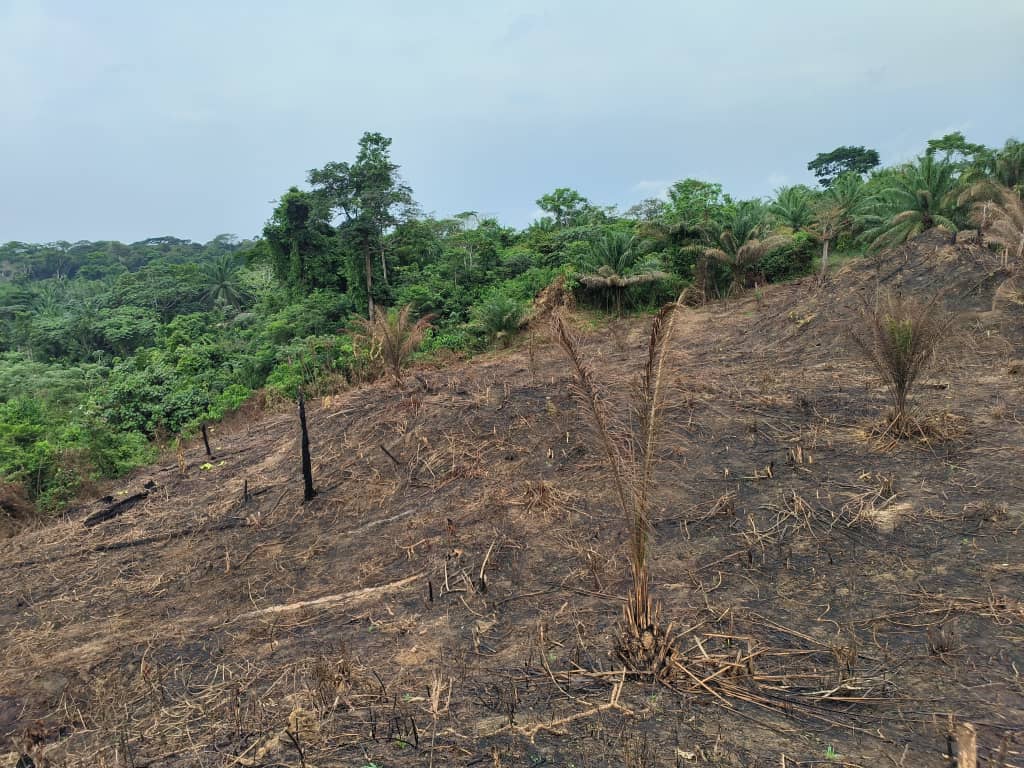
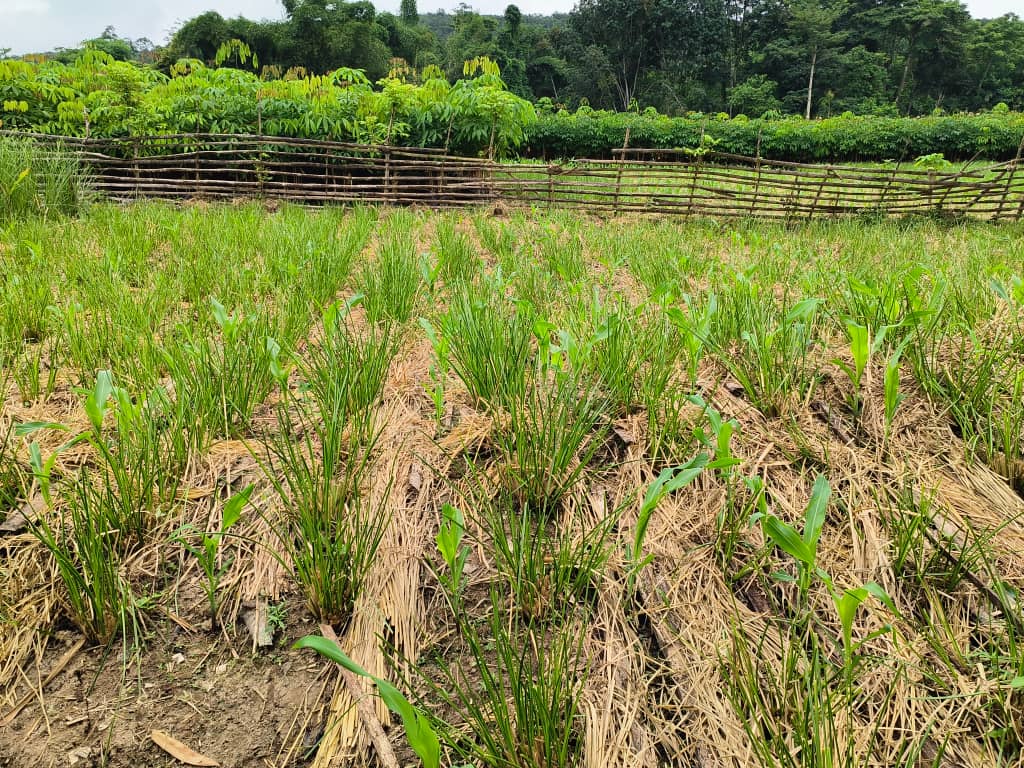
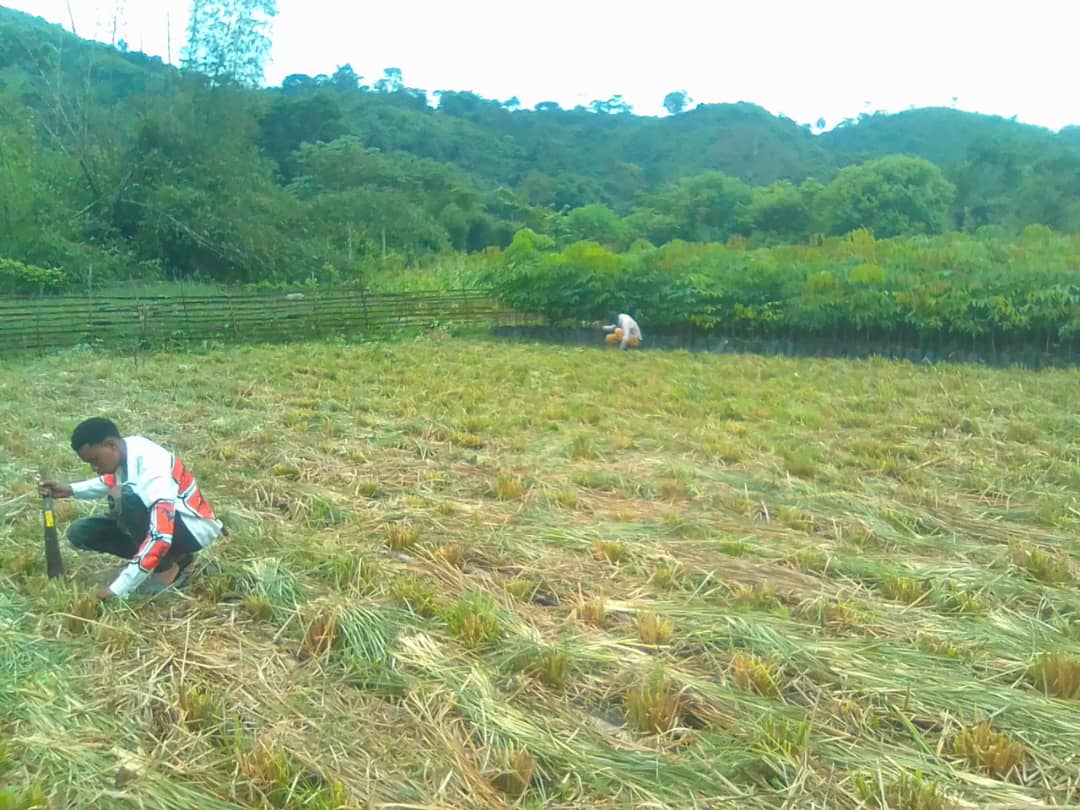
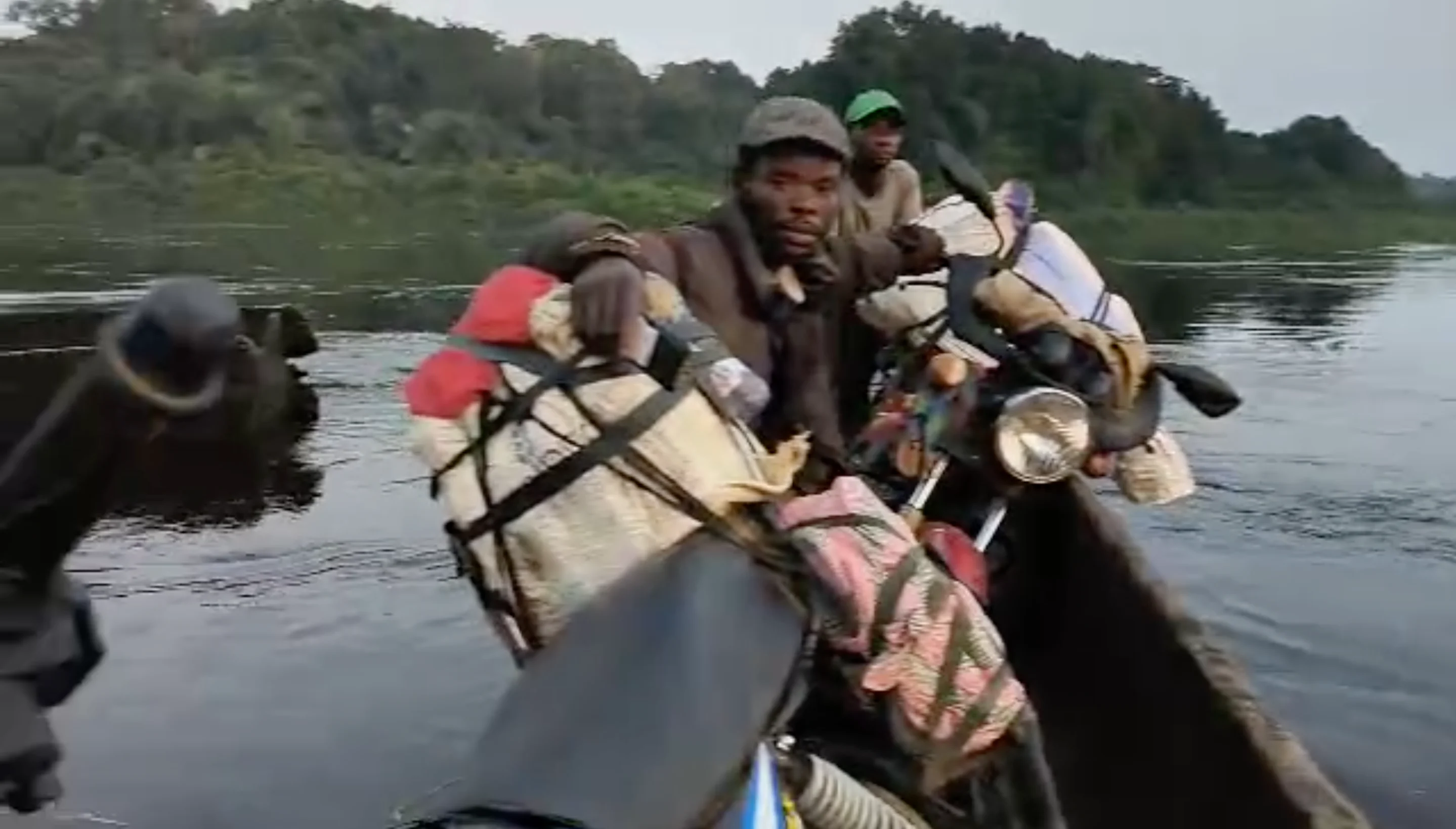
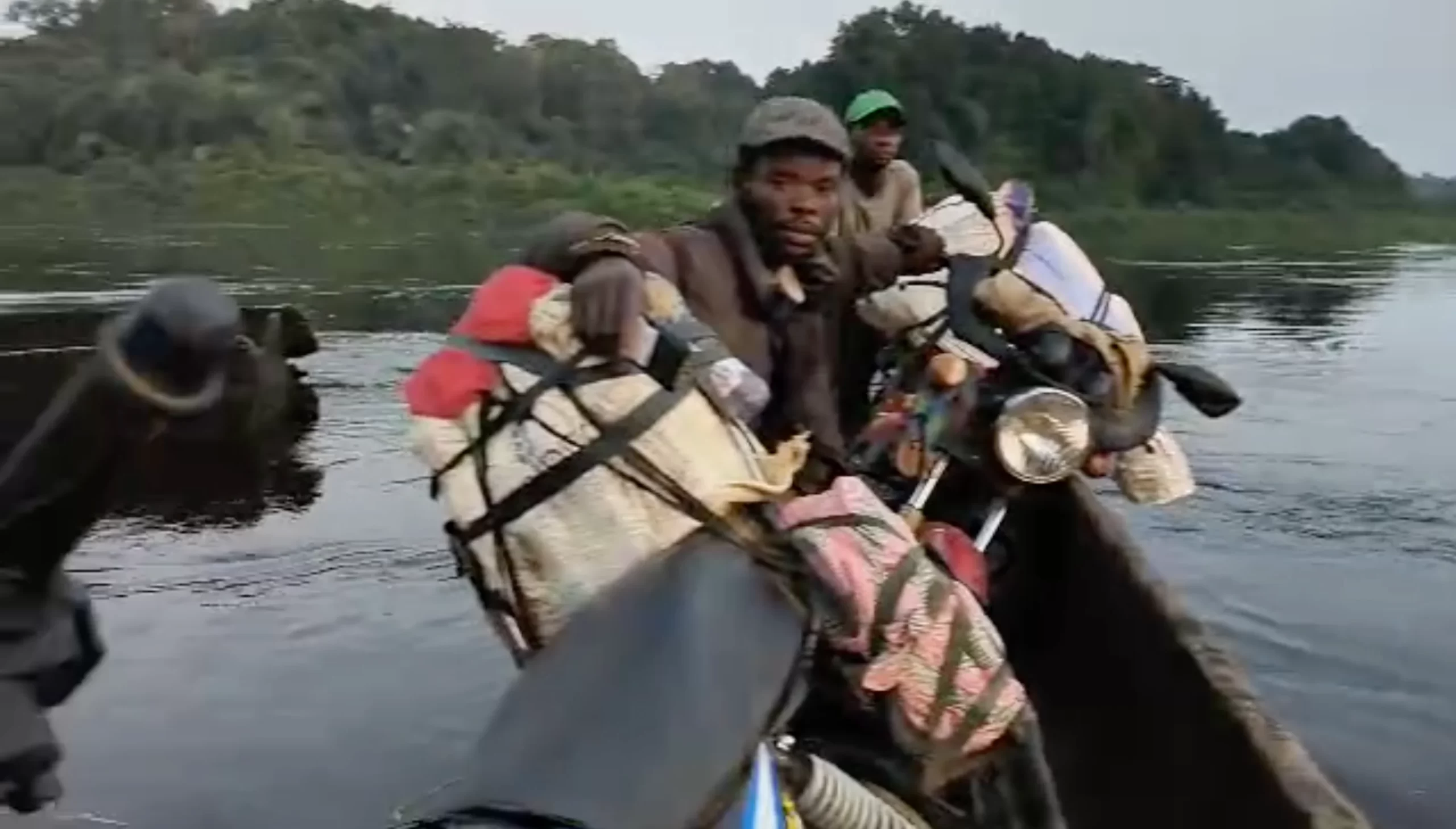
RDC is vast, and field access can require changing roads, vehicles, and sometimes waterways. In 2025, VSF focused on establishing practical local footholds: nurseries and demonstration sites in different regions that can now support wider community training and plant distribution.
Public focus areas
These are the themes visitors should understand without needing internal detail.
Field learning
Document how vetiver performs in real conditions through site learning, measurements, and visual proof.
Agricultural resilience
Show how vetiver can support land recovery, reduced erosion, lower labor pressure, and more stable production.
Editorial storytelling
Publish a seven-part public sequence that explains the problem, the alternative, and the field logic in accessible language.
Action pathways
Turn public understanding into support: fund evidence gathering, hectares, product pilots, and policy-facing work.
Grounded in real locations
The achievement is geographic as much as technical: local sites in several regions create a base for propagation, training, and community-led replication.
Multi-site learning
The project is linked to multiple provinces and field locations in RDC, reached through real field travel across varied roads, transport conditions, and sometimes waterways.
Site validation in progress
Locations are documented through field travel, GPS records, photos, videos, and site reporting, creating a practical register for 2026 expansion.
Geography as trust layer
Regional visibility helps donors and institutions understand why local nurseries matter: plants and training must be close enough for communities to use.
Field anchor
The project grows through local field leadership.
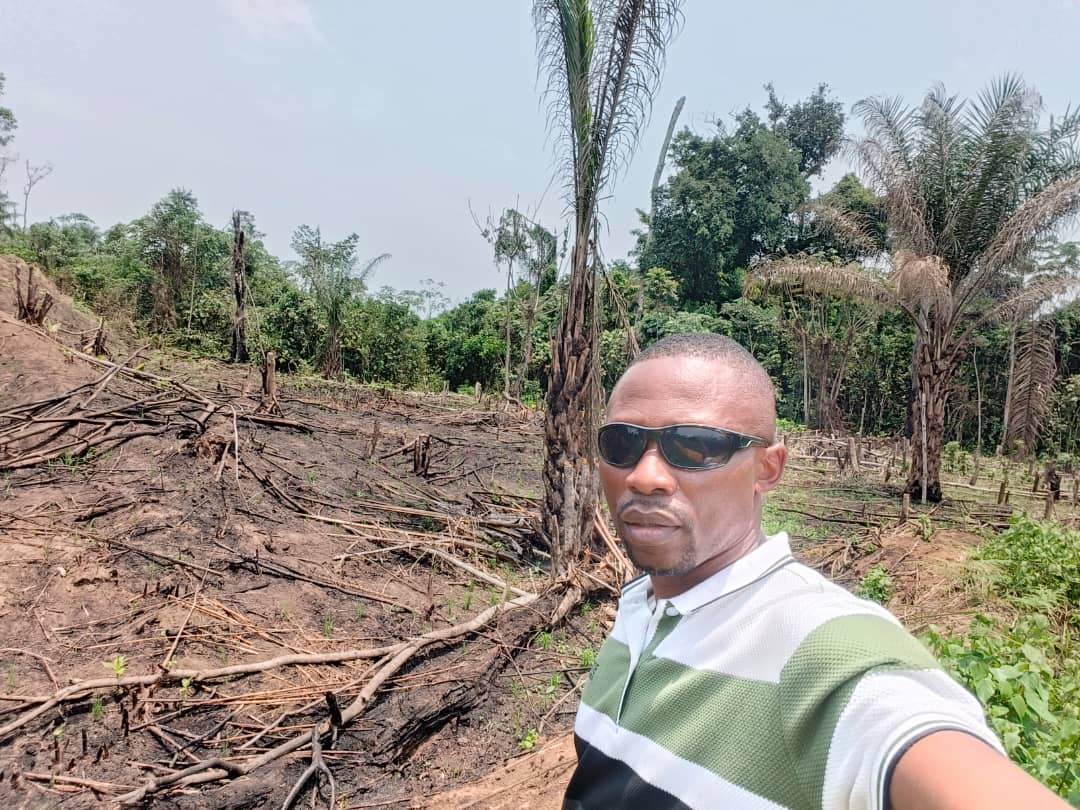
Eric Mpongo's work on the ground gives this project its practical edge. The RDC Network should connect stories, site learning, and evidence themes back to real field conditions rather than abstract claims.
Field validation comes first. The public story must stay tied to what is actually happening on the ground.
Public roadmap
A simple view of how the 2025 field base becomes 2026 community expansion.
Document the field base
Organize the multi-region photos, videos, GPS records, and site notes gathered through 2025 field movement.
Strengthen local nurseries
Support propagation capacity so more communities can access plants through local nursery points close to where people live and farm.
Train and expand
Use the RDC Network to fund practical training, visible demonstrations, and new community sites.
Editorial plan
Seven articles, one clear action each.
From Fire to Future: Breaking the Cycle of Slash-and-Burn Agriculture
Support field learning and public storytelling
Why Fertilizers Are Not the Only Path for RDC Agriculture
Support the explanatory article
No-Till Agriculture with Vetiver: A Lower-Input Path
Support site validation
What the First Field Numbers Tell Us
Support the measurements
Vetiver as a Resilience System, Not Just a Plant
Support the resilience narrative
Soap MVP: Testing Local Value Creation from Vetiver
Test local value creation from vetiver
Reducing Dependency on Imported Agricultural Inputs
Fund the technical review
Support paths
Every article should point to a distinct support object.
What we track publicly
High-level indicators that keep the public story grounded.
We publish high-level indicators only when they can be explained clearly and tied to observed field conditions.
Record the indicator, the comparison point, the observed change, and a short note.
Product ideas under review
Keep product ideas disciplined and small until field learning and basic feasibility justify deeper investment.
Soap MVP
Test whether a small vetiver-based soap can be produced, packaged, and explained simply.
Define ingredients, make a small batch, and test the story with supporters.
Essential-oil feasibility
Check whether essential-oil extraction is realistic enough to justify a deeper technical review.
List the constraints, sample the plant material, and ask an external reviewer to sanity-check the model.
Support community expansion
The RDC Network keeps the public story connected to real field work across a vast country. Support helps VSF provide plants, strengthen local nurseries, train more people, and expand visible demonstration sites in RDC.