
01
Read the landscape
Identify runoff paths, erosion points, unstable edges, and where a hedge can intercept water safely.
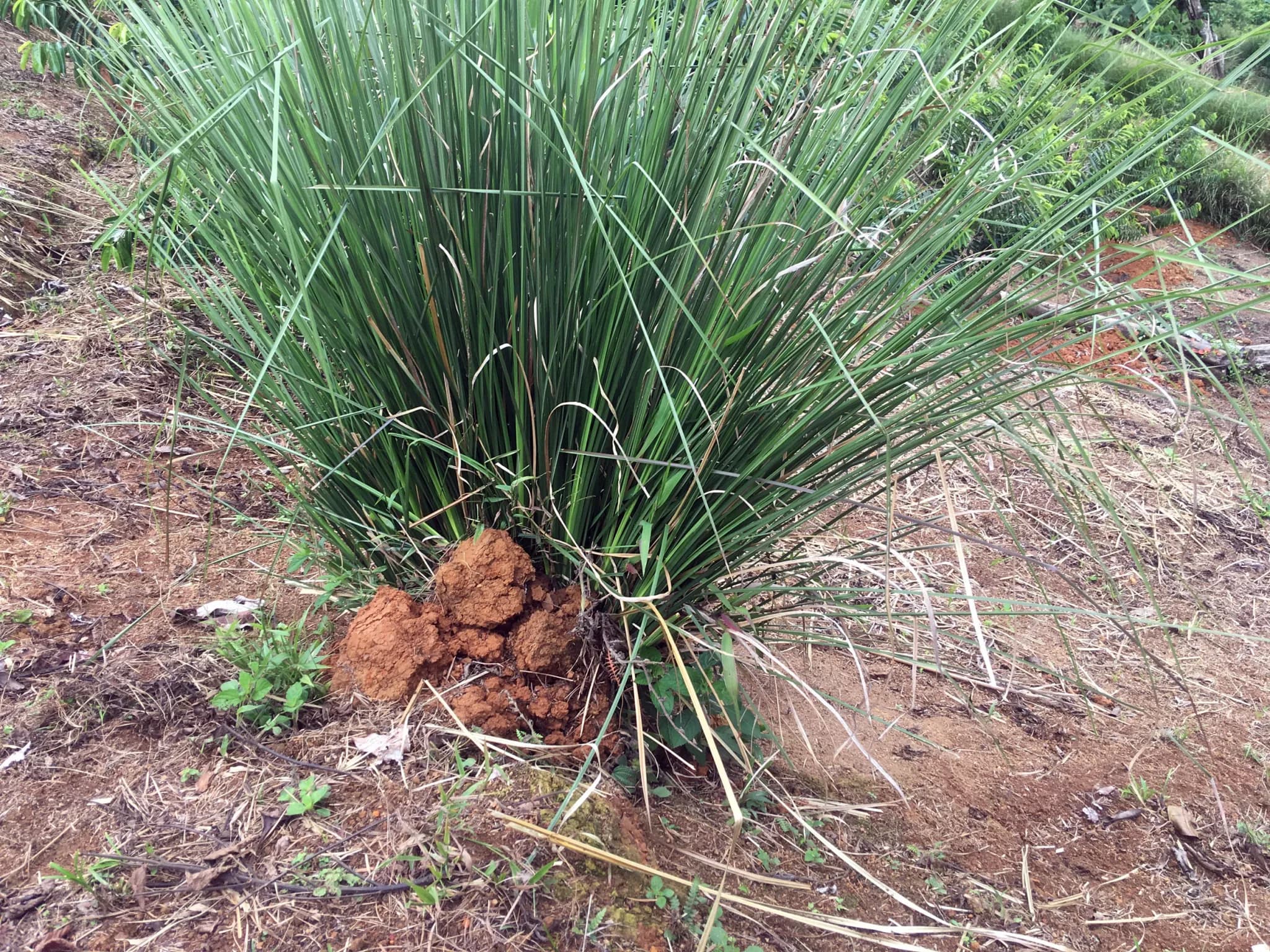
Vetiver System
The Vetiver System uses dense, continuous vetiver grass hedgerows for erosion control, runoff management, and shallow slope protection.
Field-tested, site-specific, maintained over time
3-5 m
reported mature root depth
10-15 cm
typical in-row slip spacing
1 row
forms a dense contour hedge
Vetiver becomes useful when it is planted as a continuous hedge along a contour, drainage line, road edge, terrace, or other vulnerable boundary. The hedge slows water at the surface while the roots reinforce the soil below it.
Start with the question you need to answer: how the system works, whether it fits an erosion problem, or how to establish the hedge safely.

Above ground, the stiff stems spread flowing water and trap sediment. Below ground, the dense vertical roots bind the soil without spreading aggressively through rhizomes or seed.
How VSF applies it
A strong vetiver intervention is designed around water movement, slope condition, soil type, access, maintenance capacity, and the people responsible for the site after planting.
01
Identify runoff paths, erosion points, unstable edges, and where a hedge can intercept water safely.
02
Place lines where they slow water without sending it toward homes, roads, or unprotected slopes.
03
Use healthy material, close spacing, and immediate watering or rainy-season timing.
04
Trim, replace gaps, keep competing weeds down, and monitor the first heavy rains.
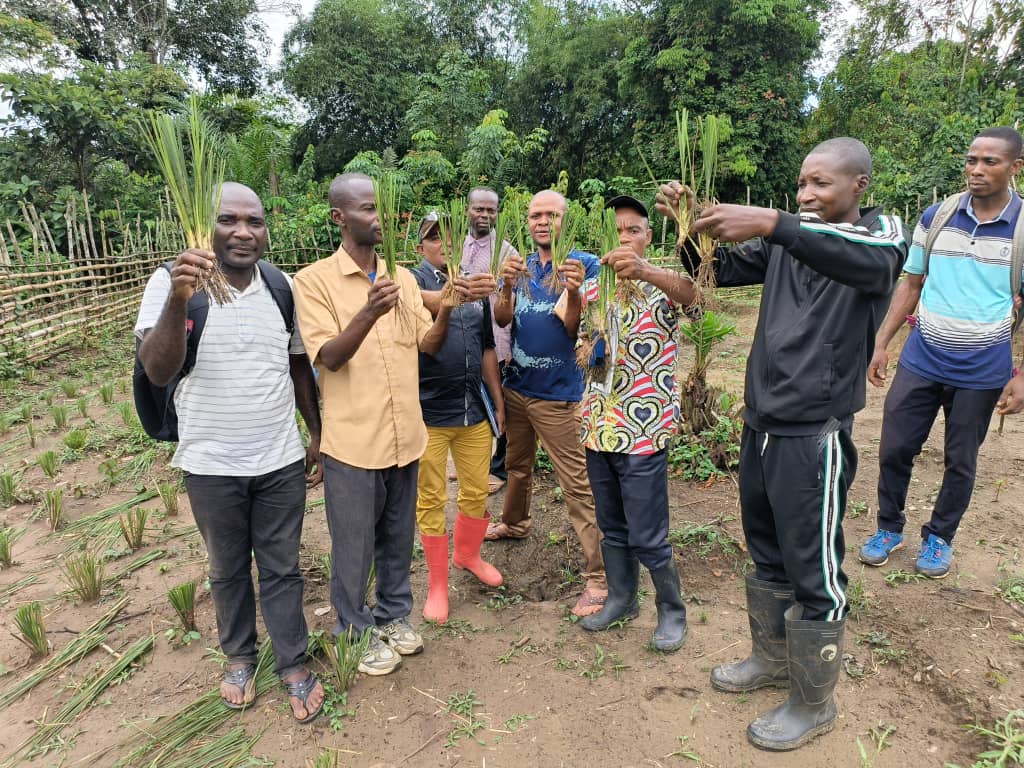
Vetiver is most valuable when the problem is shallow erosion, concentrated runoff, or exposed soil that needs a low-cost biological barrier.
Stabilizes shallow soil layers on roadsides, terraces, drainage edges, and vulnerable banks.
Keeps productive soil in place while creating calmer water movement across cultivated land.
Traps sediment before it leaves a site and can support cleaner downstream drainage.
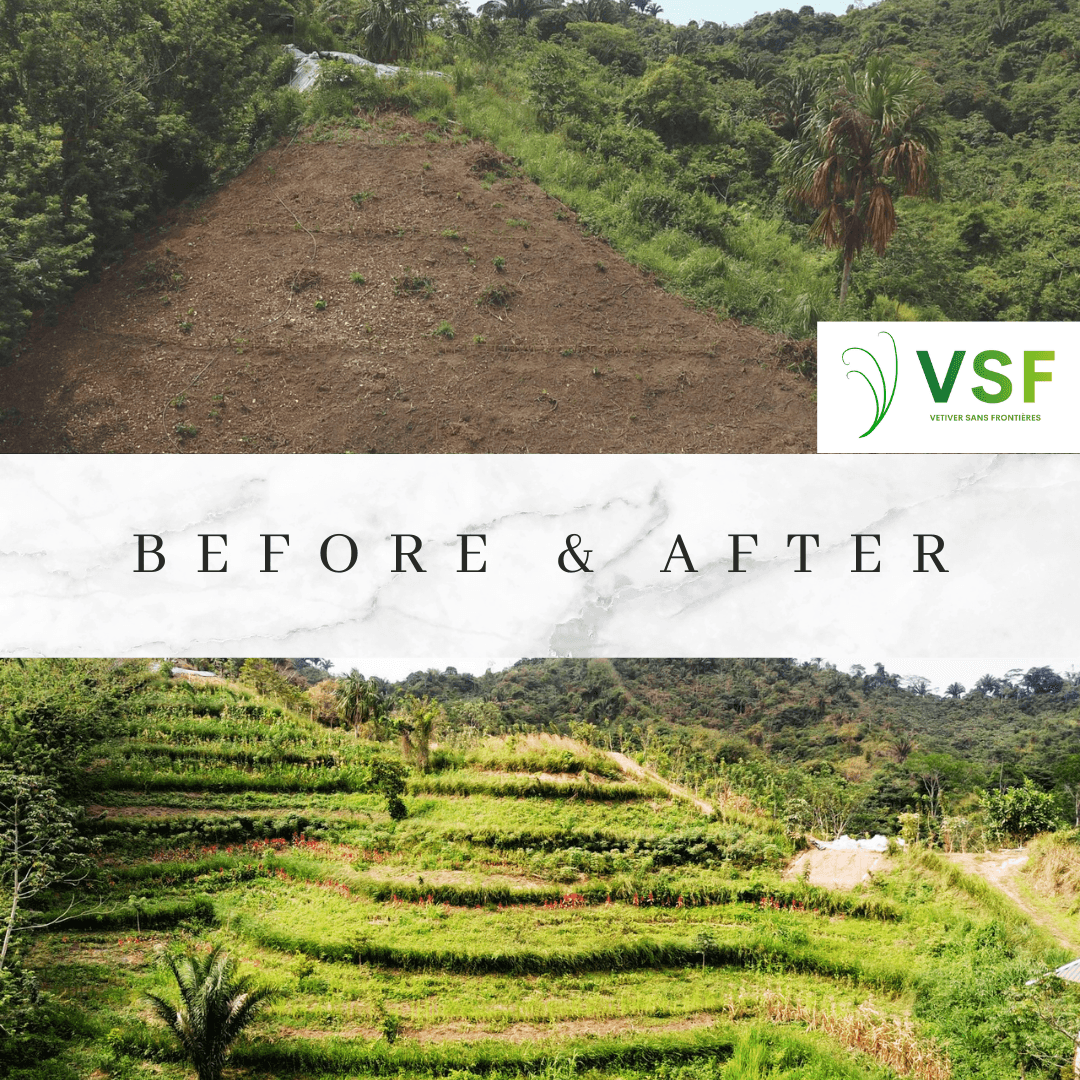
Vetiver is powerful, but it is not a substitute for engineering where deep failure, active landslides, or major structural loads are involved.